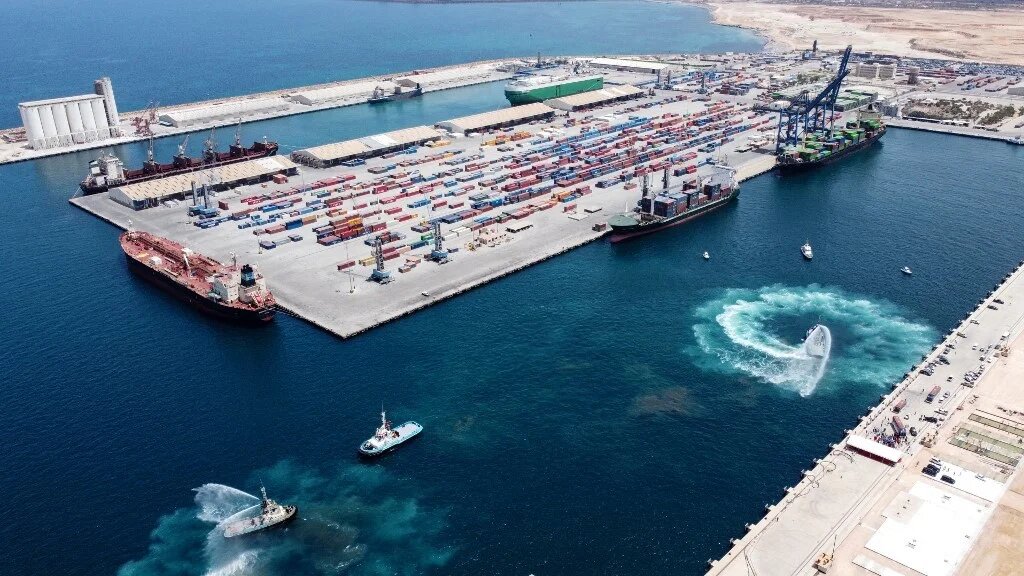
Misrata Free Zone Port marked a new step in Libya’s maritime trade after it received a container ship operating on a direct shipping route between China and Libya. The arrival signals growing activity in the country’s logistics sector and expanding trade links with Asian markets.
The new route aims to shorten shipping time and reduce reliance on indirect transit hubs. It also improves the flow of goods such as machinery, industrial materials, consumer products, and construction supplies into Libya.
The ship’s arrival at the port reflects a wider effort to strengthen Libya’s position in regional and international trade networks. Misrata continues to develop its infrastructure to handle larger vessels and higher container volumes.
A New Trade Link Between Libya and China
The direct maritime route between Libya and China creates a more efficient supply chain for importers and exporters. Shipping companies can now move cargo with fewer stopovers, which reduces costs and delivery time. Misrata Free Zone Port plays a central role in this development. The port serves as one of Libya’s main commercial gateways and supports both industrial imports and private sector trade.
China remains one of the world’s largest exporters of manufactured goods. Stronger maritime connections allow Libyan businesses to access a wider range of products with faster turnaround times. The route also supports Chinese exporters who want easier access to North African markets. Port operators in Misrata continue to expand handling capacity to manage larger container ships. They also improve customs processes and storage facilities to reduce delays and increase efficiency.
This development supports Libya’s broader trade diversification goals. Stronger shipping routes reduce pressure on traditional import corridors and create more competitive logistics options for businesses.
Boost for Logistics, Trade, and Port Activity
The arrival of the container ship also highlights the growing importance of Libya’s coastal infrastructure. Misrata Free Zone Port continues to position itself as a key logistics hub for the country’s western region.
The port’s operations support a wide range of sectors, including construction, energy, manufacturing, and retail. Faster import flows help companies reduce project delays and manage supply chains more efficiently. Direct shipping routes also improve predictability. Businesses gain more stable delivery schedules, which helps with planning and inventory management. This becomes especially important for industries that depend on steady imports of raw materials and spare parts.
The expansion of maritime links with China also reflects global shipping trends. Many countries now seek direct trade lanes to reduce dependence on transshipment hubs. Libya follows this pattern as it works to improve competitiveness in regional trade. Misrata’s location along the Mediterranean gives it a strategic advantage. The port connects North African trade routes with Europe and now increasingly with Asia through direct shipping services.
As more vessels use the new route, port activity is expected to increase. This may lead to further investment in equipment, storage capacity, and digital systems to handle higher cargo volumes. The arrival of the container ship marks an early step in what could become a more regular shipping connection between Libya and China. If traffic increases, the route may play a bigger role in shaping Libya’s import landscape in the coming years.