The United States is exploring new oil and gas investment opportunities in Libya, with ExxonMobil involved in discussions on expanding energy cooperation across North Africa. The talks could open another channel for foreign investment in Libya’s energy sector, which needs substantial capital to increase production, develop gas resources and modernise infrastructure.
Massad Boulos, the US president’s adviser on Arab and African affairs, met representatives of ExxonMobil to discuss potential investment and economic cooperation in Libya and Algeria, according to Libya Herald.
The discussions come as Libya seeks to raise oil production and attract international companies to its upstream sector. For the country, the commercial opportunity is clear. The challenge is to turn foreign interest into funded projects that deliver higher output, stronger infrastructure and more reliable energy supplies.
Libya needs capital to expand oil production
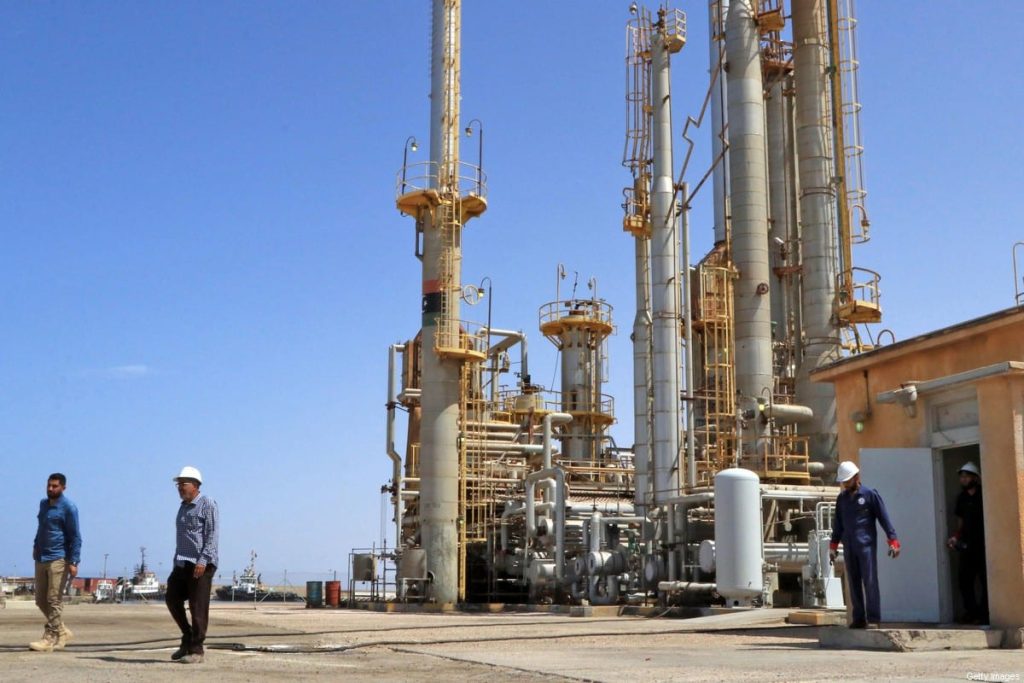
Libya holds some of Africa’s largest proven oil reserves, but political divisions, ageing infrastructure and years of underinvestment have limited the sector’s ability to reach its full potential.
The National Oil Corporation (NOC) has set a target of raising oil production to 2 million barrels per day by 2030. Reaching that level will require investment in exploration, existing fields, pipelines, export terminals and production facilities. It will also require sustained technical support from international operators.
US companies could play a role in that expansion. ExxonMobil brings experience in large-scale exploration and complex energy projects, while its potential involvement could strengthen commercial ties between Libya and the US.
However, the talks do not yet confirm a new investment agreement or a return by ExxonMobil to specific Libyan projects. Any commitment will depend on the commercial terms, project economics and operating conditions that Libya can offer.
For the NOC, attracting major international investors could provide access to capital and technology that domestic resources alone may struggle to supply. New investment could also help Libya maintain production from mature fields while developing additional reserves.
Gas offers another route for energy investment
Libya’s investment needs extend beyond crude oil. Natural gas could become an increasingly important part of its energy strategy, both to support domestic electricity generation and to strengthen exports to European markets.
Additional gas production could help Libya reduce pressure on its domestic energy system while creating more opportunities to generate foreign currency. But that potential depends on investment in exploration, processing facilities and pipelines, alongside a clear framework for allocating gas between domestic demand and exports.
International energy companies will assess these opportunities against projects elsewhere in North Africa and the Mediterranean. Algeria, which also featured in the US discussions, offers a useful regional comparison. Libya must compete for investment by offering credible contracts, predictable regulations and confidence that projects can operate over the long term.
The wider economic benefits could extend beyond production. Major energy projects can generate demand for engineering, construction, logistics and other local services. Yet those gains depend on projects moving beyond announcements and creating sustained commercial activity inside Libya.
Investment depends on Libya’s business environment
The main question is whether Libya can provide the conditions that international energy companies need to commit capital over several years.
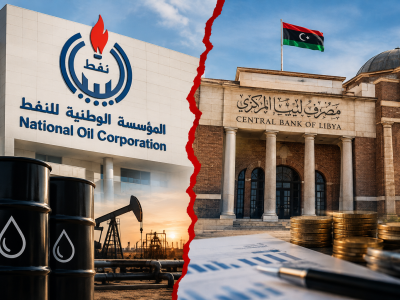
Investors must evaluate political risk, contract stability, access to infrastructure and the reliability of payments. Libya’s divided institutions and recurring disputes over economic management can complicate those decisions, even when the underlying resource potential remains attractive.
The NOC and Libyan authorities therefore need to translate international interest into clear investment frameworks, credible project plans and agreements that give companies confidence to proceed.
US engagement could help strengthen commercial links and create opportunities for American energy firms. But diplomatic discussions alone will not raise production or expand exports. Companies will ultimately look for projects with viable returns and manageable risks.
For Libya, the measure of success will be whether these discussions lead to new exploration commitments, development spending and additional production capacity. The country has the resources to attract international energy companies. Converting that advantage into investment will depend on the commercial and institutional conditions it creates.