Libya Falls to 4th Place Among Africa’s Largest Importers of Brazilian Meat

Libya Falls to 4th Place Among Africa’s Largest Importers of Brazilian Meat

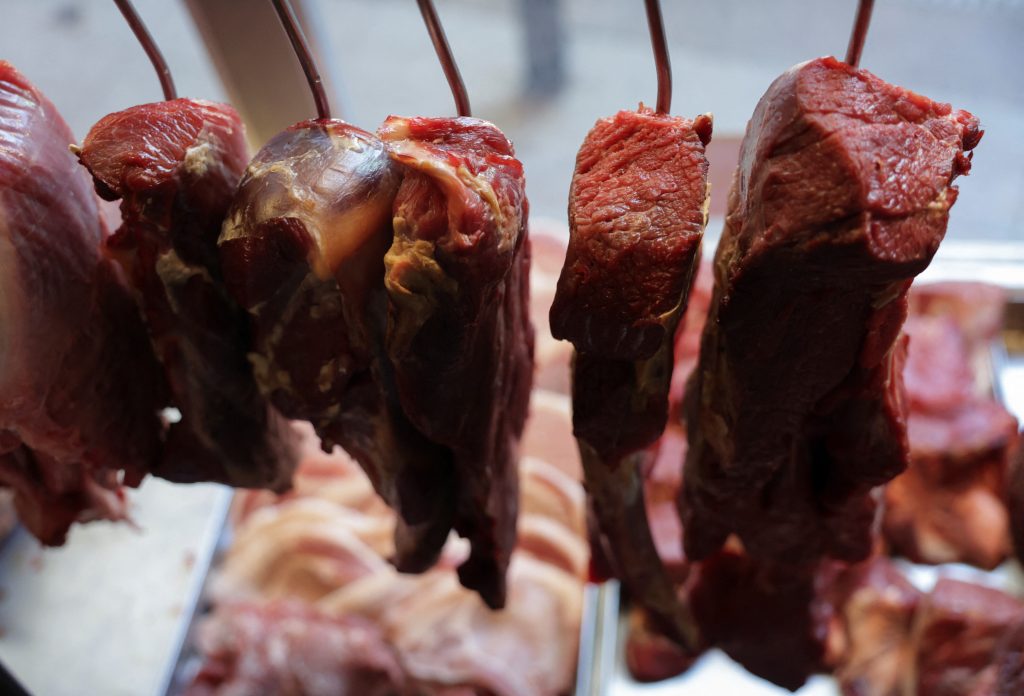
Libya has dropped to fourth place among Africa’s largest importers of Brazilian meat in 2025, marking a clear shift in trade flows and domestic demand patterns. The country previously ranked second in 2024 but recorded a decline in import volumes over the past year.


According to trade data cited by ECOFIN, Libya imported around 74,965 tons of Brazilian meat in 2025. The figure shows a noticeable drop compared to the previous year, when stronger demand pushed Libya higher in the continental ranking.


At the same time, African imports of Brazilian meat expanded sharply, surpassing one million tons for the first time. This reflects growing demand across multiple African markets, even as Libya’s share declined.


Declining Imports Reshape Libya’s Position in African Meat Trade


Libya’s fall in ranking reflects both domestic and external factors. The country continues to rely heavily on imported meat to meet consumption needs, but import volumes have fluctuated due to pricing pressures, supply chain conditions, and regulatory debates.


Brazil remains a key supplier to Libya’s food market, especially in beef and poultry. However, competing demand from other African importers has increased, reshaping Libya’s relative position in the market. The decline also comes as African meat consumption continues to expand. Rising populations, urban demand, and changing dietary patterns have pushed several countries ahead of Libya in total import volumes.


Policy Debate and Market Pressure Add to Trade Shifts


The import trend also reflects ongoing domestic debate over meat sourcing standards. Religious authorities in Libya have repeatedly raised concerns over the import of meat from non-Muslim countries and questioned the reliability of halal certification processes. These discussions have added regulatory uncertainty to an already price-sensitive import market. At the same time, Libya’s dependence on imported food products continues, limiting how sharply import volumes can adjust in the short term.


Despite the decline, Libya remains one of Africa’s notable importers of Brazilian meat. However, its reduced ranking signals a more competitive and diversified African import landscape, where multiple markets are expanding faster than Libya.


Economy Africa food demand Africa Trade agriculture trade Brazil exports Brazilian meat food imports Libya halal food imports Libya Libya consumption Libya Economy Libya imports Libya trade livestock trade meat imports Africa North Africa economy trade data 2025