Libya’s electricity sector now consumes more than one billion cubic feet of natural gas every day, underlining the country’s growing dependence on gas to keep the lights on while exposing the scale of its energy challenge.
New figures released by the National Oil Corporation (NOC) show total natural gas consumption reached 1.082 billion cubic feet over the past 24 hours. Most of that demand came from electricity generation, where the General Electricity Company of Libya (GECOL) used 917.19 million cubic feet of gas. GECOL also consumed 16,617 barrels of crude oil and 9,009 metric tonnes of diesel to support power generation.
The data highlights an important reality for Libya’s economy. While the country continues to increase crude oil production and pursue new gas developments, domestic demand for natural gas remains enormous. That demand leaves less gas available for exports and reinforces the need for continued investment across the upstream and power sectors.
Electricity Remains Libya’s Largest Gas Consumer
The latest figures show electricity generation accounted for roughly 85% of Libya’s daily natural gas consumption. Cement factories consumed 85.27 million cubic feet, while iron, steel and other industrial facilities used 73.09 million cubic feet. Other sectors accounted for another 7.14 million cubic feet.
The numbers demonstrate how closely Libya’s economic activity depends on reliable gas supplies. Every increase in industrial production or electricity demand places additional pressure on the country’s gas infrastructure.
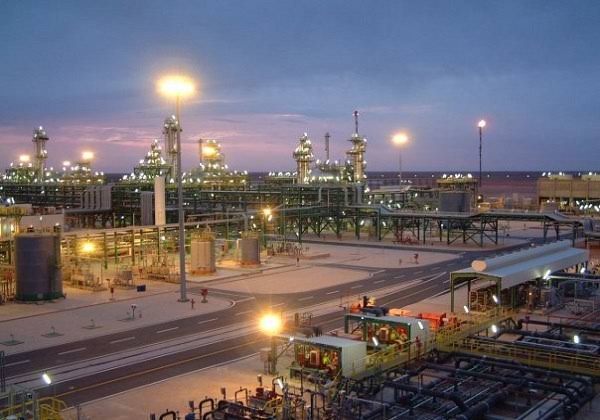
They also reveal why Libya continues to invest heavily in expanding natural gas production. Earlier this year, NOC reaffirmed plans to raise gas output over the coming years, launch new exploration projects and strengthen supplies for both domestic users and export markets. Recent offshore discoveries by Eni also promise to add new production capacity in the years ahead.
Diesel Still Plays a Costly Supporting Role
Despite abundant gas resources, Libya still relies on diesel to support electricity generation during periods of high demand or operational constraints.
Burning more than 9,000 metric tonnes of diesel in a single day carries significant economic costs. Diesel often costs more than domestically produced natural gas and requires additional logistics and imports when local supplies tighten.
Reducing that dependence could improve public finances while lowering emissions from the power sector. Continued investment in gas infrastructure, pipeline networks and processing facilities would allow more power stations to operate primarily on natural gas rather than liquid fuels.
At the same time, Libya’s long-term energy strategy increasingly points toward a more diversified system. Greater investment in renewable energy could reduce pressure on gas-fired generation during peak demand while allowing more natural gas to support industrial growth or exports.
Gas Demand Highlights Libya’s Next Energy Challenge
Libya has made significant progress in restoring oil production, but natural gas has become just as important to the country’s economic future. Growing electricity demand, expanding industrial activity and ambitions to increase gas exports all compete for the same resource. Managing that balance will become one of the NOC’s biggest strategic challenges over the coming decade.
For investors, the latest consumption figures reinforce the commercial case for new gas exploration, field development and infrastructure upgrades. Every additional cubic foot of production strengthens Libya’s energy security while creating greater flexibility to supply domestic consumers and international markets.
As artificial intelligence, data centers and industry continue to increase global demand for reliable natural gas, Libya’s vast reserves could become an even more valuable strategic asset. The challenge now lies in producing enough gas to power the domestic economy while capturing the export opportunities that lie ahead.