Libya’s Arabian Gulf Oil Company (AGOCO) is exploring new ways to reduce energy waste and improve the efficiency of its oil operations, with a particular focus on flared gas and oil-water separation.
AGOCO Chairman Mohamed bin Shatwan met with representatives of the Mining Company on August 5 to discuss potential cooperation across energy and related industrial activities. The talks focused on developing methods to capture and use flared gas, alongside technologies that could improve the separation of oil from water.
The discussions point to a wider opportunity for Libya’s oil sector: increasing production does not only depend on drilling more wells. The country can also raise the value of existing production by recovering resources that currently go to waste and improving field-level processing.
Flared Gas Could Become a Larger Energy Asset
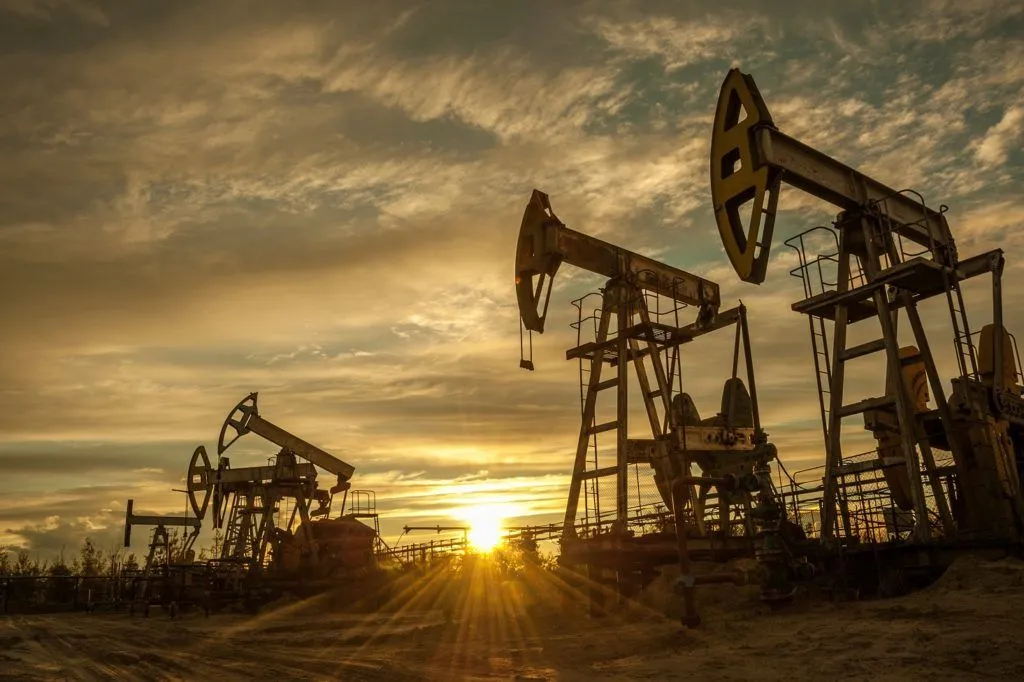
Gas flaring remains one of the most important efficiency and environmental challenges facing oil producers. When operators lack the infrastructure or processing capacity to capture associated gas, they burn it at the field.
For Libya, reducing flaring could deliver benefits beyond emissions cuts. Captured gas can support power generation, industrial activity and other domestic energy needs. It can also reduce the amount of gas that Libya must rely on other sources to meet rising demand. The National Oil Corporation has already placed greater emphasis on reducing gas losses. NOC said earlier this year that its emissions-reduction program could cut gas flaring by more than 180 million cubic feet by the end of 2026.
AGOCO’s latest discussions therefore fit into a broader shift in Libya’s upstream sector. The goal is increasingly to extract more commercial value from every barrel rather than simply increase headline production.
That distinction matters. Libya wants to push crude output higher, but higher production will also increase the volume of associated gas generated at oil fields. Without investment in gathering, processing and utilization, production growth could increase the amount of valuable gas lost through flaring.
Better Oil-Water Separation Could Improve Recovery
The second focus of the talks involves separating oil from water and finding productive uses for the resulting streams.
Oil production naturally brings water to the surface, particularly as mature fields age. Efficient separation helps operators recover more usable crude, manage produced water and reduce the operational burden associated with handling large volumes of unwanted fluids. Improved separation technology can therefore support production efficiency without requiring a new discovery. It can help operators optimize existing wells and facilities while potentially reducing operating costs.
For AGOCO, this could become increasingly important as it seeks to improve performance across established assets. The company operates some of Libya’s major oil fields, including the Sarir field, where mature production systems require continuous technical optimization.
The Mining Company discussions suggest that Libya is also looking at opportunities to connect oil-sector challenges with broader industrial capabilities. That could create room for local companies to participate in technologies related to gas recovery, processing, water treatment and environmental management.
Libya’s Next Oil Gains May Come From Efficiency
The significance of the AGOCO meeting extends beyond the projects currently under discussion. Libya’s oil sector needs investment across the entire production chain, from exploration and drilling to processing and field infrastructure. The country has already attracted renewed interest from international energy companies. AGOCO and the NOC have also explored cooperation with Chevron to improve field production and operational efficiency.
That investment creates an opportunity to modernize older infrastructure at the same time as Libya expands output.
Capturing flared gas and improving oil-water separation could become part of that modernization effort. Neither initiative alone will transform Libya’s energy balance. Together, however, they can improve recovery rates, reduce waste and create additional value from assets that already exist.
For commodity markets, this is an important distinction. Libya’s production story should not be measured only by barrels per day. The country’s ability to reduce losses, monetize associated gas and improve field efficiency could determine how much additional value it can extract from rising crude production.
If AGOCO turns the latest technical discussions into commercial projects, Libya could begin treating previously wasted hydrocarbons as an economic resource rather than an unavoidable by-product of oil production.