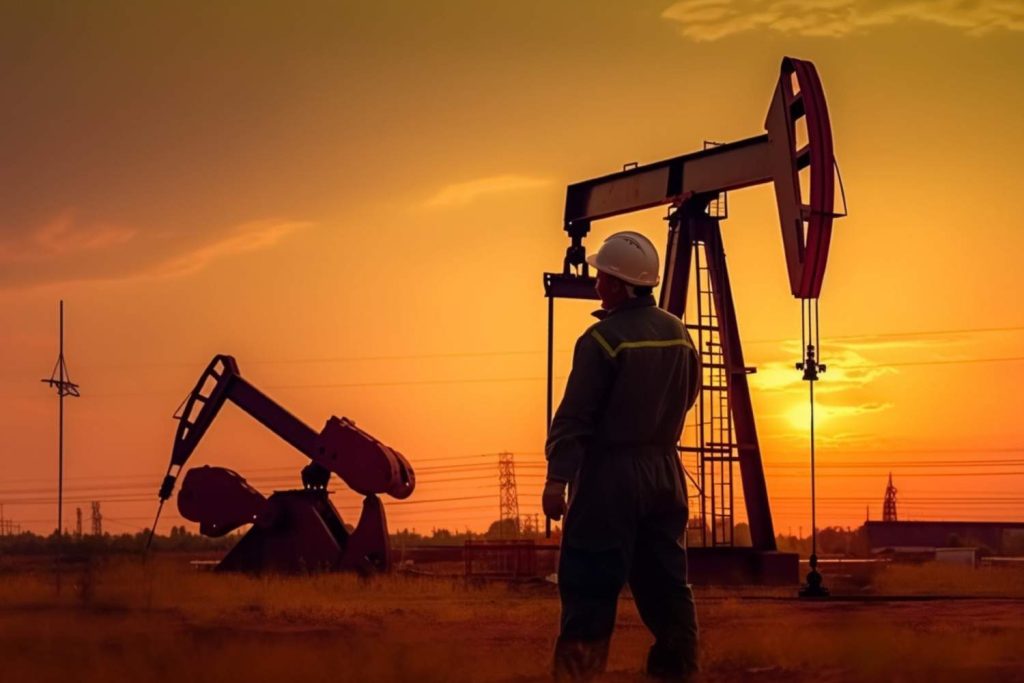
Libya is setting its sights on a major expansion of oil production, with the National Oil Corporation (NOC) targeting 2 million barrels per day by the early 2030s.
The target would mark a significant increase from current production of around 1.4 million bpd. It also reflects a broader effort to rebuild Libya’s oil industry through higher investment, field rehabilitation, new exploration and stronger partnerships with international energy companies.
The latest target, reported by OilPrice following comments from NOC Chairman Masoud Suleman to Bloomberg, comes as Libya’s oil sector gains momentum after years of underinvestment and operational disruption. The timing matters. Libya has already pushed production close to 1.5 million bpd this year, reaching its highest level since 2013. The NOC reported crude production of 1.44 million bpd on June 21, with condensate taking total output to nearly 1.49 million bpd.
That recent progress gives the 2 million bpd ambition a stronger foundation than previous production targets.
A $2 Billion Budget Gives the NOC More Room to Invest
One of the biggest changes behind Libya’s latest production push is funding.
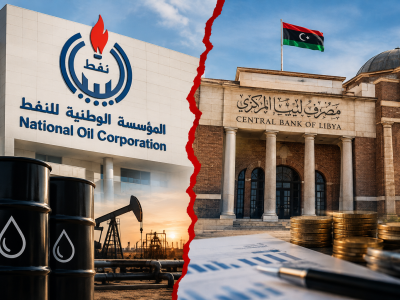
Libya’s 2026 unified budget provides the NOC with more than LYD 13 billion, or roughly $2 billion, for operations. Suleman described the allocation as a major shift after the NOC received no funding under the 2025 budget. For Libya’s oil industry, reliable funding can make a substantial difference.
Oil fields require continuous maintenance, drilling, workover programs, pipeline repairs and upgrades to production infrastructure. Delays in funding can quickly translate into deferred maintenance and lower output. The new budget gives the NOC greater ability to plan these activities instead of relying on delayed allocations.
The corporation has already demonstrated how targeted technical work can unlock additional production. NOC subsidiaries have returned wells to production, upgraded existing infrastructure and improved output from mature fields. In July, the Sirte Oil Company returned a well at the Metkhendoush field to production at around 1,630 bpd following the installation of an electric submersible pump.
These individual gains may appear small compared with the 2 million bpd target. Collectively, however, they show how field rehabilitation can contribute to production growth.
International Oil Companies Are Returning to Libya
Funding alone will not take Libya to 2 million bpd. The country will need international capital, technology and expertise to develop new fields and increase recovery from existing assets. Libya has already started to see stronger international interest.
Major international companies have returned to the Libyan upstream sector and resumed operations and partnerships. The NOC and Austrian energy company OMV recently confirmed the commercial viability of the Essar oil discovery, adding another potential source of future production.
The broader investment picture has also changed.
Libya held its first oil and gas exploration licensing round in more than a decade, bringing major international players back into discussions over the country’s substantial undeveloped resources. Companies including Eni, TotalEnergies, Repsol, OMV and others have maintained or expanded their presence in Libya’s energy sector.
For international oil companies, Libya offers something increasingly difficult to find: large conventional reserves with significant room for production growth.
The country holds Africa’s largest proven crude oil reserves, while much of its prospective acreage remains underexplored. That combination gives Libya considerable long-term upside if investors can operate under stable commercial and security conditions.
The challenge will be converting exploration interest into sustained capital spending and new barrels.
The 2 Million Bpd Target Will Depend on Stability
Libya’s production recovery has not removed the structural risks facing its oil industry.
Oil infrastructure remains vulnerable to political disputes, local protests and security incidents. The country has repeatedly experienced disruptions when competing political or regional interests use control over energy infrastructure as leverage.
Recent events illustrate that risk. In late July, an intrusion and closure at the Mellitah complex disrupted gas production and supplies, while the NOC warned that the incident affected operations at the El Feel field and the Wafa field. Libya therefore faces a simple but critical equation: more investment requires more stability, while higher production requires more investment.
Breaking that cycle will determine whether the 2 million bpd ambition becomes a sustained production level or another target that slips further into the future.
Infrastructure will also require attention. Libya needs reliable power supplies for oil fields, functioning pipelines, modern export infrastructure and continued investment in gathering and processing facilities.
The NOC has made clear that it wants to increase production through a combination of new developments and improved performance from existing fields. Reaching 2 million bpd will require all of those elements to work together.
Libya’s Opportunity Is Bigger Than a Production Target
The significance of the 2 million bpd target extends beyond Libya’s oil sector.
An additional several hundred thousand barrels per day would strengthen Libya’s position as a major Mediterranean crude supplier. It could also increase export revenues, support government finances and attract further investment across the wider energy industry.
For global oil markets, Libya offers another source of relatively light, low-sulfur crude that can reach European refiners quickly. Higher and more reliable Libyan production could therefore matter beyond North Africa.
But the market will judge Libya by barrels delivered, not targets announced. The country has now reached a crucial point. Production has recovered to its strongest level in more than a decade, the NOC has secured a major operating budget, and international companies are showing renewed interest.
The next challenge is turning that momentum into sustained growth. If Libya can maintain production near 1.5 million bpd, rehabilitate mature fields, develop new discoveries and attract long-term international investment, the path toward 2 million bpd will become increasingly credible.
For now, the message from Tripoli is clear: Libya wants to move from production recovery to long-term expansion. And after years of disruption, the global oil market is beginning to pay attention again.