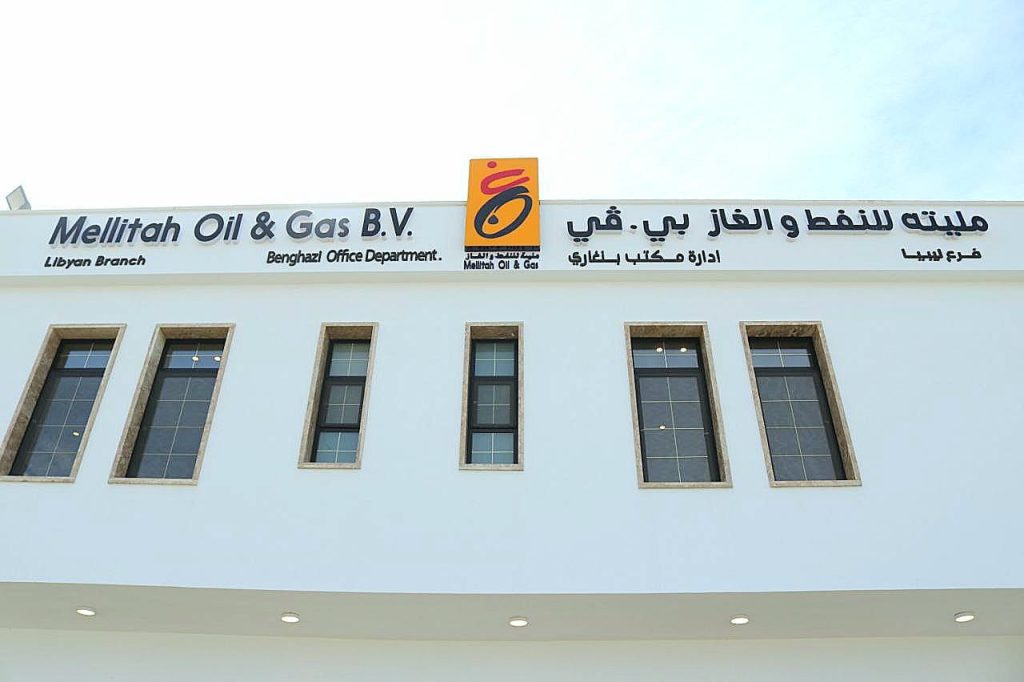
Libya has started pilot operations at the gas utilization project at the KK station operated by Mellitah Oil & Gas, marking another step in the National Oil Corporation’s effort to capture more of the country’s associated gas and reduce flaring. The project is designed to recover around 15 million cubic feet of gas per day from wells at the station and redirect it into Libya’s gas network.
The recovered gas will travel through a 40-kilometer pipeline to the Abu Attifel field, where it will undergo processing at the natural gas liquefaction plant. From there, the gas will move toward the Zueitina hub before connecting to the coastal gas network.
The project matters because Libya continues to face pressure on domestic gas supplies while relying heavily on hydrocarbons to meet electricity and industrial demand. Capturing gas that would otherwise be lost through flaring gives the energy sector another source of supply without requiring a new upstream discovery.
Turning wasted gas into supply
The KK project fits into a wider effort by the NOC to make better use of Libya’s existing oil and gas infrastructure.
Associated gas has traditionally been treated as a by-product of oil production, with some volumes flared when gathering, processing or transportation infrastructure was insufficient. The NOC has increasingly placed gas utilization and flare reduction at the center of its investment plans, targeting zero routine gas flaring by 2030.
That strategy is becoming increasingly important as Libya seeks to raise energy output while dealing with constraints across its existing infrastructure. The NOC has said that reducing flaring can both improve operational efficiency and make additional gas available for productive use.
The KK project therefore has two linked objectives. First, it increases the amount of gas available for Libya’s domestic energy system. Second, it reduces the amount of gas lost through flaring, improving the efficiency of existing production.
The timing is also significant. Libya’s gas infrastructure remains strategically important for electricity generation and industrial activity, while disruptions at major facilities can quickly affect domestic supply. Mellitah is particularly important because of its role in processing and transporting gas from western Libya into the national network and export system.
Part of a wider gas strategy
The KK station project is not an isolated development. Mellitah Oil & Gas has been advancing gas utilization projects as the NOC seeks to increase production and reduce losses across the sector.
The NOC has also reported progress on the Bouri field gas utilization project, which is designed to handle up to 125 million cubic feet of natural gas per day. The project includes subsea pipelines linking Bouri platforms with the Sabratha platform and the Mellitah industrial complex, with the aim of eliminating flaring at the field. The development is part of the broader NOC gas utilization and flaring-reduction strategy.
Mellitah’s role in Libya’s gas system gives these projects broader importance. The company operates major infrastructure connecting production with processing and domestic and export markets, making it a key part of Libya’s efforts to extract more value from its gas resources.
For Libya, the immediate benefit of the KK project will be additional gas entering the national system. Over time, however, the larger opportunity is to build a more efficient gas chain in which less associated gas is wasted and more is processed, transported and consumed.
The NOC’s zero-flaring target will require continued investment, reliable infrastructure and faster implementation across multiple fields. The start of pilot operations at KK suggests that the strategy is moving from policy commitments toward individual projects capable of adding measurable volumes to the system.
If the pilot phase performs as expected, the project could provide a relatively small but practical addition to Libya’s gas supply while demonstrating the economic value of recovering gas that would otherwise be lost. For a country seeking to increase energy production without relying solely on new discoveries, that is an important part of the equation.