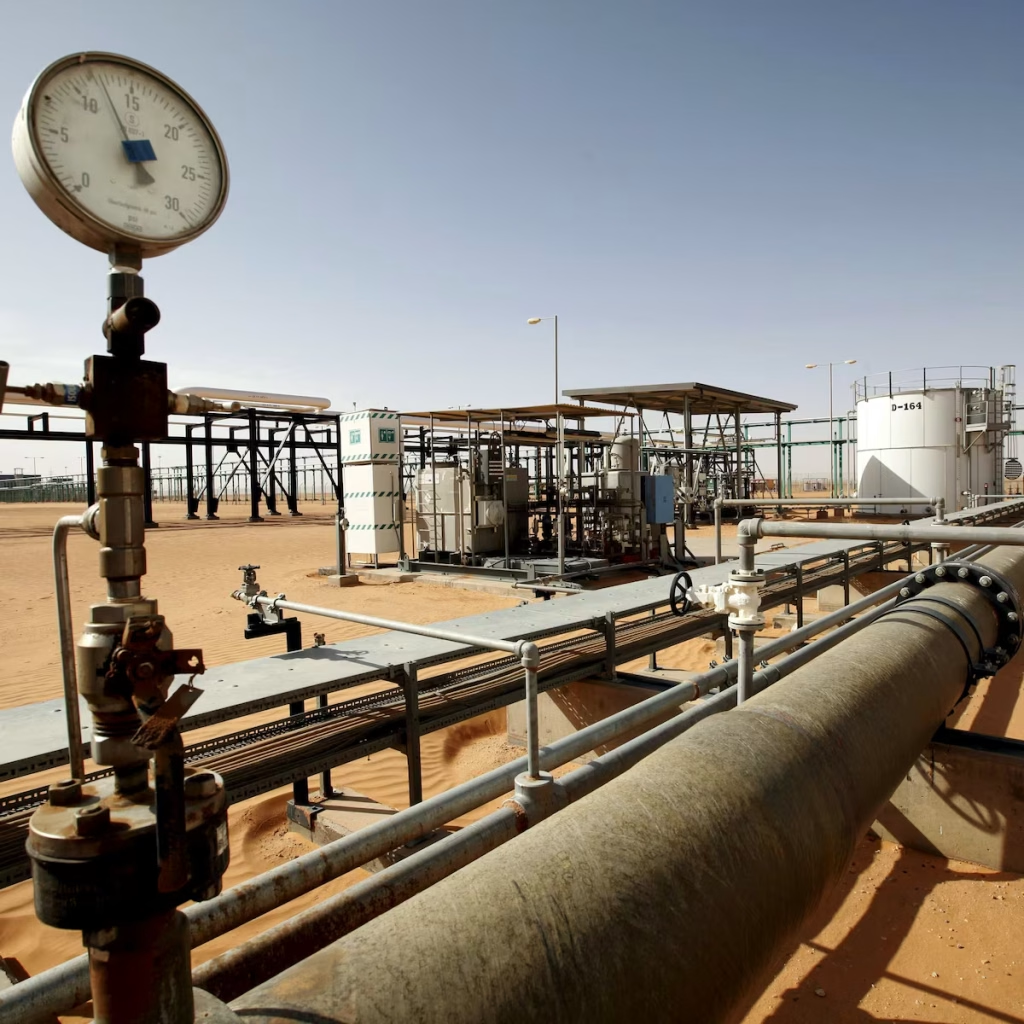
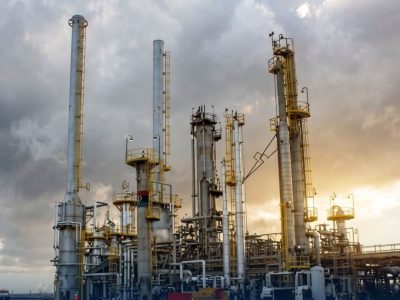
Libya produces around 1.4 million barrels of crude oil per day, but the National Oil Corporation (NOC) wants to increase output to more than 1.5 million barrels per day by mid-2027 and reach 2 million barrels per day by early 2031. Achieving those targets will depend on investment, repairs to ageing infrastructure, the return of inactive wells and new oilfield developments. The country has already shown that it can raise production, but keeping that growth on track remains a challenge.
How much oil does Libya produce today?
Libya’s crude oil production reached 1.44 million barrels per day on June 21, 2026, according to the National Oil Corporation. Condensate added another 49,163 barrels per day, taking total output to almost 1.49 million barrels per day. The NOC described this as the highest level since 2013. By September, production remained around 1.4 million barrels per day, despite disruptions at several oilfields.
The figures matter because oil dominates Libya’s economy. Crude exports provide most of the country’s foreign currency earnings and a major share of government revenue. Higher production can therefore support public finances and foreign currency availability, provided the state manages oil income effectively.
However, Libya still produces below its potential. Political disputes, security incidents, technical problems and funding delays have repeatedly disrupted oil operations since 2011. Pipeline closures can force companies to cut production, while ageing facilities need regular maintenance and investment to sustain output.
What could Libya produce in the next few years?
The NOC has set a target of exceeding 1.5 million barrels per day by mid-2027. Its longer-term ambition is to reach 2 million barrels per day by early 2031.
The corporation plans to invest $20 billion of its own funds and seek another $16 billion from international partners as part of a $36 billion program. The financing would support infrastructure rehabilitation, the return of inactive production capacity and the development of new fields.
Several projects could contribute to that growth. The NOC expects Akakus Oil Operations, which operates the Sharara field, to raise production to 350,000 barrels per day before the end of 2026. It also plans to restart inactive wells at Akakus, Waha Oil Company, Sirte Oil Company and Arabian Gulf Oil Company.
Another opportunity lies at North Gialo in the Sirte Basin. The NOC has outlined a development project worth an estimated $5 billion, with a target of around 100,000 barrels of oil equivalent per day once fully developed. The project will require financing and development work before it can add substantial volumes.
These projects show how Libya can increase production by restoring existing capacity while developing new reserves. Restarting inactive wells can deliver additional barrels sooner than some large new developments, although each project faces its own technical and financial constraints.
Libya is also seeking to expand its wider energy sector. Eni’s offshore gas tender highlights opportunities for further exploration and investment, although gas projects will contribute to a different part of the country’s energy output.
What will determine whether Libya reaches 2 million barrels per day?
Funding is central to the expansion plan. The NOC secured an operating budget exceeding LYD13 billion under a unified spending arrangement and agreed on a $1 billion loan from the Libyan Foreign Bank to support projects targeting more than 1.5 million barrels per day by mid-2027. The corporation has also said it needs about $300 million each month to cover operating expenses.
International investment will matter just as much. Libya needs partners to help develop new fields, upgrade equipment and maintain production from mature assets. The NOC’s recent licensing round and agreements with foreign energy companies could support that effort, but investors will look for predictable commercial terms, reliable funding and protection against operational disruptions.
Security remains another obstacle. In September, the NOC warned that it could declare force majeure after a pipeline valve closure disrupted production at several fields. Such incidents underline how quickly local disputes can affect national output and export earnings.
Libya has the oil reserves and existing infrastructure to raise production, but its targets are not guaranteed. Reaching 1.5 million barrels per day would mark another step towards recovery. Sustaining 2 million barrels per day will require a longer period of investment, technical improvements and operational stability.
For international energy companies, the opportunity is clear. The question is whether Libya can provide the conditions needed to turn its production ambitions into a lasting increase in supply.