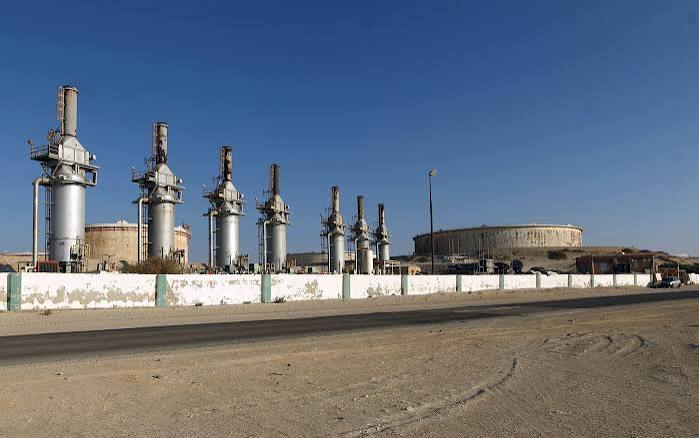
Libya’s National Oil Corporation (NOC) has reopened the pipeline carrying crude from the Sharara oilfield, restoring flows after a shutdown threatened around 350,000 barrels per day (bpd) of production.
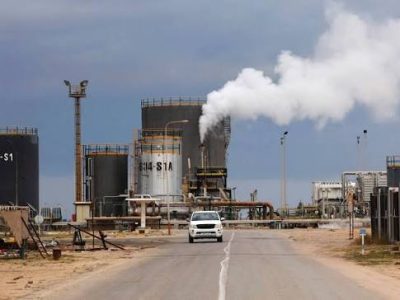
NOC Chairman Masoud Suleiman confirmed on November 23 that pumping had resumed, with crude beginning to flow into storage tanks at the Akakus Oil Operations facility in Zawiya.
The shutdown lasted approximately 10 hours after an unauthorised group closed a valve on the pipeline. The disruption threatened a significant share of Libya’s oil production and added to existing losses from other pipeline closures.
The reopening removes an immediate threat to output from Sharara, one of Libya’s largest oilfields. However, production across the country continues to face disruption from the separate closure of the Hamada pipeline.
Sharara Reopening Restores a Major Oil Flow
The Sharara oilfield, located in southwestern Libya, is operated by Akakus Oil Operations, a joint venture involving the NOC and international partners Repsol, TotalEnergies, OMV and Equinor.
The pipeline transports crude from the field towards Zawiya, where the oil enters storage facilities before reaching export and refining infrastructure.
NOC had warned that the closure could result in the loss of approximately 350,000 bpd. Engineers restored pumping after the valve reopened, allowing crude to begin moving through the pipeline again.
The restart is important for Libya’s oil revenues, which depend heavily on consistent production and exports. Even relatively short interruptions can affect supply schedules and complicate the Corporation’s efforts to maintain stable output.
Hamada Pipeline Closure Continues to Weigh on Production
Despite the Sharara reopening, the Hamada pipeline remains closed, continuing to cost Libya approximately 15,000 bpd in lost production.
The pipeline has been shut for more than two weeks. NOC recently estimated that the disruption had already cost the country more than $30.8 million in lost oil revenue.
The two incidents highlight the vulnerability of Libya’s oil infrastructure to disruptions at key pipeline points. They also complicate the country’s efforts to increase production and attract further investment from international energy companies.
For now, the Sharara restart restores an important part of Libya’s oil supply. However, resolving the Hamada closure and preventing further interruptions will remain essential to maintaining stable production and protecting national oil revenues.