Libya is seeking up to $40 billion in investment to develop its oil and gas resources and push crude production toward 2 million barrels per day by 2030, the Financial Times reports, highlighting both the scale of the country’s energy potential and the capital gap holding it back.
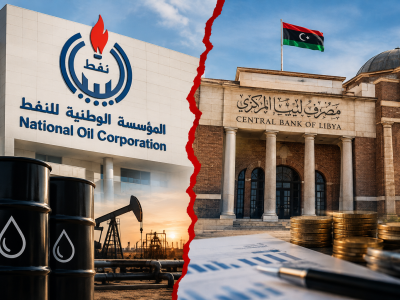
National Oil Corporation (NOC) Chairman Masoud Suleman told the FT that Libya needs between $30 billion and $40 billion to develop its resources. “We have a lot of untapped resources. We need significant funds,” he said.
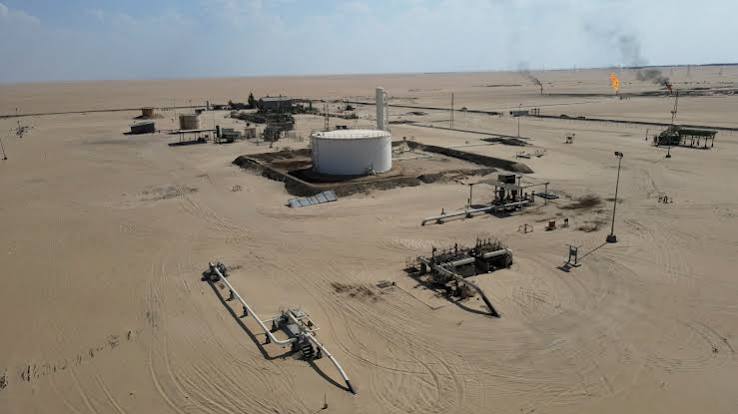
The target would take Libya’s output from roughly 1.4 million bpd today to 2 million bpd within four years. More than 60 discovered oil and gas fields remain undeveloped, according to Suleman, creating a sizeable pipeline of potential production if Libya can attract the capital and technology required. The opportunity has already drawn major international energy companies, including Eni, TotalEnergies, Chevron and ConocoPhillips. Libya also recently opened its upstream sector to new investment after years of political instability and limited exploration activity.
Libya Has the Reserves. The Challenge Is Turning Them Into Production
Libya holds Africa’s largest proven crude oil reserves, yet its production remains far below what its resource base could support. Years of political division, funding constraints, weak institutions and security disruptions have repeatedly interrupted investment and field development.
The financing model itself creates another obstacle. Under Libya’s production-sharing agreements, the NOC must fund its share of development costs. Delays in government funding can therefore slow projects even when international partners remain ready to invest.
Suleman has also signaled interest in changing Libya’s contract model to attract more foreign capital. That could become an important part of the country’s strategy as competition for upstream investment intensifies across Africa and other frontier markets.
For investors, however, contract terms alone will not settle the question. Recent attacks on oil infrastructure in western Libya underline the security risk. Drone strikes this month damaged the Zawiya refinery and nearby energy infrastructure, reminding companies that operational security remains central to any long-term investment decision.
The $40 Billion Question Is About More Than Oil
The scale of Libya’s ambition matters because higher production could generate substantial additional export revenues while strengthening the country’s position as a major supplier to European and global markets.
But reaching 2 million bpd will require more than drilling new wells. Libya needs sustained investment in fields, pipelines, export infrastructure and technical capacity, alongside a political environment that allows projects to operate without repeated disruption.
That makes the proposed $30 billion-$40 billion investment drive a test of Libya’s wider economic credibility. The country has the reserves, international interest and a growing list of undeveloped discoveries. What it has struggled to provide is the stable investment framework needed to turn that potential into reliable production.
The next phase of Libya’s oil story will therefore depend less on whether the resources exist and more on whether the country can create the conditions to develop them at scale.