Italy is accelerating efforts to secure additional gas supplies from Libya as the war involving Iran disrupts energy flows from the Gulf and pushes European governments into emergency diversification.
The shift reflects a deeper structural vulnerability in Italy’s energy system. The country depends heavily on imported gas to power industry, heating, and electricity generation. Disruptions in the Strait of Hormuz and damage to key Gulf infrastructure have tightened global LNG markets and driven prices higher across Europe.
In response, Italian officials and lawmakers have turned attention back to Libya, a long-standing but underdeveloped supplier of energy to Europe. A delegation recently visited Tripoli to explore ways to expand production and restore higher export volumes to Italy through existing pipeline infrastructure and offshore projects.
Libya’s strategic role regains attention
Libya already supplies Italy with both crude oil and natural gas, but gas flows remain far below historical levels due to years of conflict, underinvestment, and political fragmentation. Before the civil war, Libya provided a significant share of Italy’s imported gas through the Greenstream pipeline. Today, volumes remain constrained, even as infrastructure remains physically intact and technically capable of expansion.
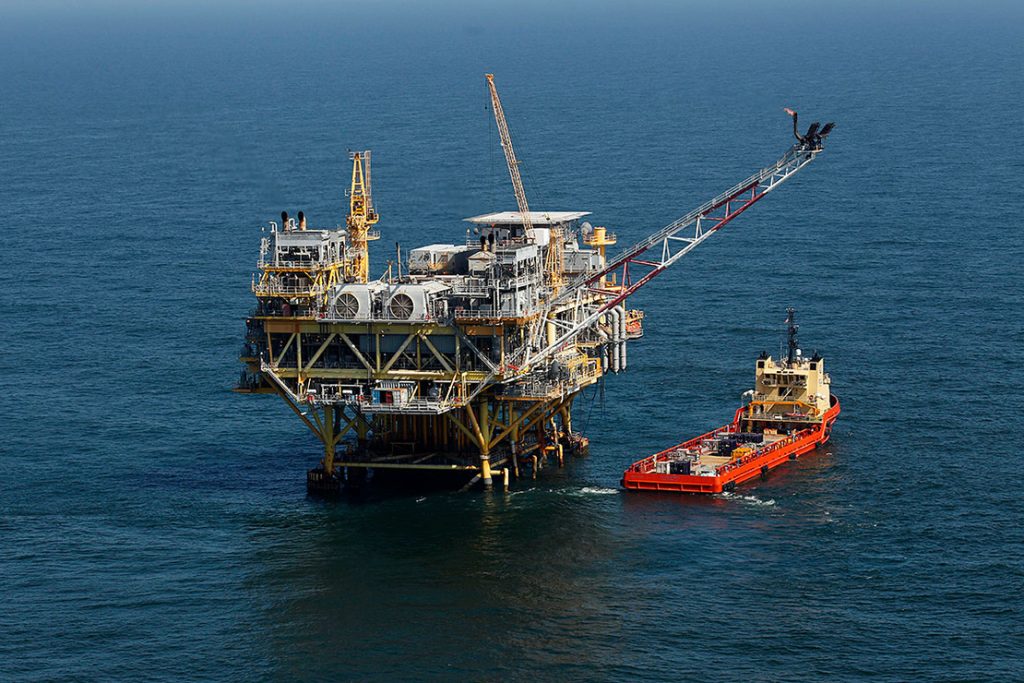
Italian energy company Eni continues to play a central role in Libya’s upstream sector. The company’s long-term projects, including offshore developments, aim to raise output gradually over the coming years. However, analysts caution that security risks and institutional fragmentation in Libya still limit rapid scale-up.
Despite these constraints, policymakers in Rome now view Libya as a critical hedge against volatility in global LNG markets.
Iran war exposes Europe’s supply risks
The renewed urgency comes as the Iran conflict reshapes global energy flows. Attacks and disruptions in the Gulf have reduced LNG availability and created uncertainty around shipments from key exporters such as Qatar. The resulting supply squeeze has pushed Europe to compete more aggressively for alternative sources.
Italy, more exposed than many EU peers due to its high reliance on gas, has felt the impact directly. Higher import costs and tighter supply conditions have forced policymakers to reassess long-term dependency on distant and geopolitically exposed LNG routes.
European governments now face a dual pressure: immediate price volatility and structural supply insecurity heading into future winter storage cycles.
Libya as a short- to mid-term buffer
Libya offers Italy a geographically close and pipeline-connected alternative to LNG imports. This reduces transport costs and bypasses chokepoints such as the Strait of Hormuz and Red Sea routes, which remain vulnerable during regional conflict.
However, Libya cannot fully replace Gulf or Atlantic LNG supplies in the near term. Production constraints, domestic demand, and ongoing political division limit its ability to scale rapidly.
Even so, Italian officials increasingly treat Libyan gas as a stabilizing pillar within a broader diversification strategy that also includes Algeria, the United States, and expanded storage coordination within the EU.
Strategic recalibration underway
The renewed focus on Libya signals a wider shift in Europe’s energy strategy. After years of moving away from Russian gas, the EU now faces a new wave of geopolitical disruption linked to Middle Eastern instability.
Italy sits at the center of this adjustment. Its energy security strategy now combines short-term crisis management with long-term infrastructure investments across North Africa.
The direction is clear: Europe is no longer reacting to a single supply shock, but to a fragmented global energy system shaped by multiple overlapping conflicts. Libya’s role in that system may remain constrained, but its strategic importance for Italy continues to grow.