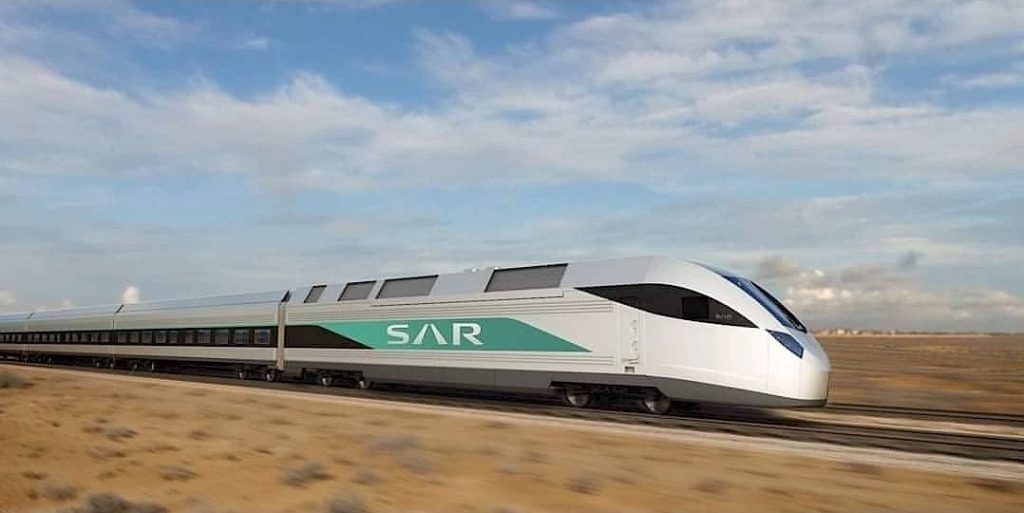
Saudi Arabia and Turkey signed a memorandum of understanding this week covering railways, logistics centers, transport services, and digital transport systems. The agreement marks another step in a broader regional push to strengthen economic connectivity across the Middle East.
While the deal does not directly involve Libya, it reflects a trend that Libyan policymakers and investors cannot afford to ignore. Across the region, countries are investing heavily in transport infrastructure, logistics networks, ports, and trade corridors. They aim to position themselves at the center of future commercial flows.
Connectivity Is Becoming a Strategic Asset
For decades, Middle Eastern geopolitics focused on oil production, military alliances, and security competition. Today, governments increasingly compete to attract trade, investment, and transit traffic.
Saudi Arabia has invested billions of dollars in logistics infrastructure as part of its Vision 2030 strategy. Turkey continues to strengthen its position as a bridge between Europe, Asia, and the Middle East. Gulf states are expanding ports, rail networks, and industrial zones to capture growing trade flows. The Saudi-Turkish agreement fits within this larger effort. Better rail connections and integrated logistics systems can reduce transport costs, improve supply chains, and create new commercial opportunities.
Infrastructure no longer serves only domestic economic goals. It also creates geopolitical influence.
The Competition for Trade Routes
The race to build new corridors extends far beyond Saudi Arabia and Turkey. Algeria and Morocco support competing pipeline projects connecting West African gas to Europe. Gulf states continue to invest in maritime infrastructure. Egypt seeks to strengthen its position as a major logistics hub linking Africa, the Mediterranean, and the Gulf.
These projects share a common objective. Governments want to capture value from the movement of goods, energy, and capital. Countries that sit along major trade routes often gain long-term economic advantages. They attract investment, create jobs, and generate revenue from transport and logistics services.
As regional connectivity expands, competition for strategic locations will likely intensify.
Where Does Libya Fit?
Libya occupies one of the most important geographic positions in the Mediterranean. It sits between North Africa, Europe, and the broader Middle East. It also possesses extensive coastline infrastructure and significant energy resources. Yet Libya remains largely absent from many of the major connectivity initiatives reshaping the region.
Political fragmentation, infrastructure challenges, and security concerns continue to limit the country’s ability to capitalize on its location. While neighboring states pursue long-term logistics strategies, Libya still struggles to unlock the full economic potential of its transport networks.
This gap creates both risks and opportunities. If regional trade corridors continue to develop without Libya, the country could become increasingly peripheral to emerging economic networks. However, if stability improves and infrastructure investment accelerates, Libya could still position itself as an important link between Africa, Europe, and the Middle East.
Looking Beyond Oil
The Saudi-Turkish rail agreement offers a reminder that economic influence increasingly depends on connectivity as much as natural resources.
Oil and gas will remain critical for regional economies. However, the countries shaping the next phase of Middle Eastern growth are also investing in ports, railways, logistics hubs, and digital infrastructure.
For Libya, the lesson is clear. Geography remains one of the country’s greatest assets. Turning that advantage into economic value will require long-term planning, investment, and integration into the region’s emerging trade networks.
The Middle East’s future may not be defined solely by energy exports. It may also be defined by who controls the routes that connect markets, industries, and economies.