Libya is expanding its economic dialogue with the United States as both sides begin exploring the country’s untapped mineral potential.
A Libyan delegation met officials from the United States Geological Survey in Washington to discuss technical cooperation on geological mapping and mineral resource assessment. The talks followed earlier meetings held in October 2025 and February 2026 and aimed to build a more formal framework for future cooperation in the mining sector.
The discussions focused on launching advanced geological surveys across Libya. Officials want to assess reserves of strategic and rare minerals that global industries increasingly need. These minerals support sectors such as electronics, renewable energy, electric vehicles and advanced manufacturing.
US geological partnership targets Libya’s untapped mineral reserves
The Libyan delegation included Transport Minister Mohammed Al-Shahoubi, Oil and Gas Minister Khalifa Abdel Sadiq, Economy Minister Suhail Boushiha, Presidential Initiatives and Strategic Projects official Mustafa Al-Manea, and National Mining Corporation Director General Faraj Al-Shandouli.
Their presence showed that Tripoli views mineral development as more than a technical issue. The government is treating it as part of a wider economic strategy.
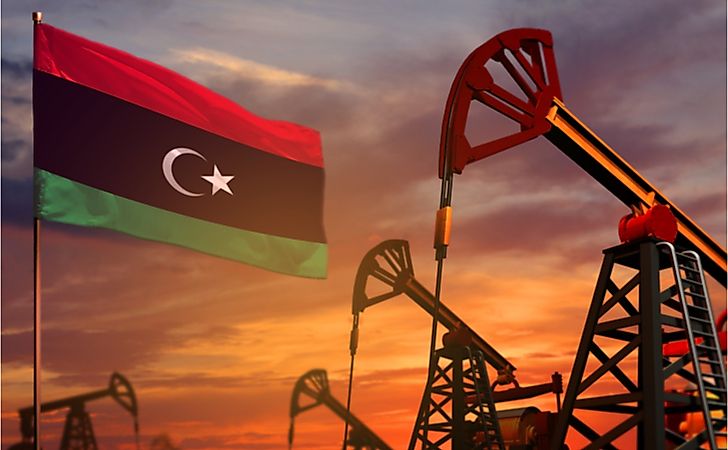
Libya has long relied on oil and gas as the backbone of state revenue. That dependence has left the economy exposed to price swings and production disruptions. Officials are now looking at mining as a possible long-term source of growth.
Cooperation with the United States could help Libya close a major information gap. Much of the country’s mineral base remains underexplored by modern international standards. Updated geological mapping and technical data could give Libya a clearer picture of what lies underground and where future commercial opportunities may emerge.
Mining strategy supports Libya’s wider economic diversification plans
The two sides also discussed how Libya can improve the investment climate around mining. Officials examined ways to strengthen technical capacity, improve institutional coordination and create clearer rules for future investors.
The goal is not only to identify mineral reserves. Libya also wants to create the conditions needed to attract international mining companies in the years ahead.
The timing is important. Global demand for critical minerals has risen sharply as countries compete to secure supply chains for clean energy technologies, batteries and advanced industrial production. That trend has pushed governments across Africa and the Middle East to re-evaluate dormant mineral assets.
Libya now appears ready to enter that conversation. The mineral talks also fit into a broader pattern of growing economic engagement between Libya and the United States. In recent weeks, Libya signed a preliminary agreement with Chevron to assess the country’s shale oil and gas potential, another sign of renewed American interest in Libya’s natural resource sector.
Turning mineral potential into economic output will take time. Exploration remains only the first stage. Libya will still need reliable survey data, a stable legal framework and sustained political coordination before mining can emerge as a meaningful source of national revenue.
Still, the Washington meetings carry strategic weight. They suggest Libya is beginning to widen the definition of its resource economy. If cooperation with the United States produces credible data and concrete follow-through, mining could become an important new pillar in Libya’s long-term economic diversification plans.