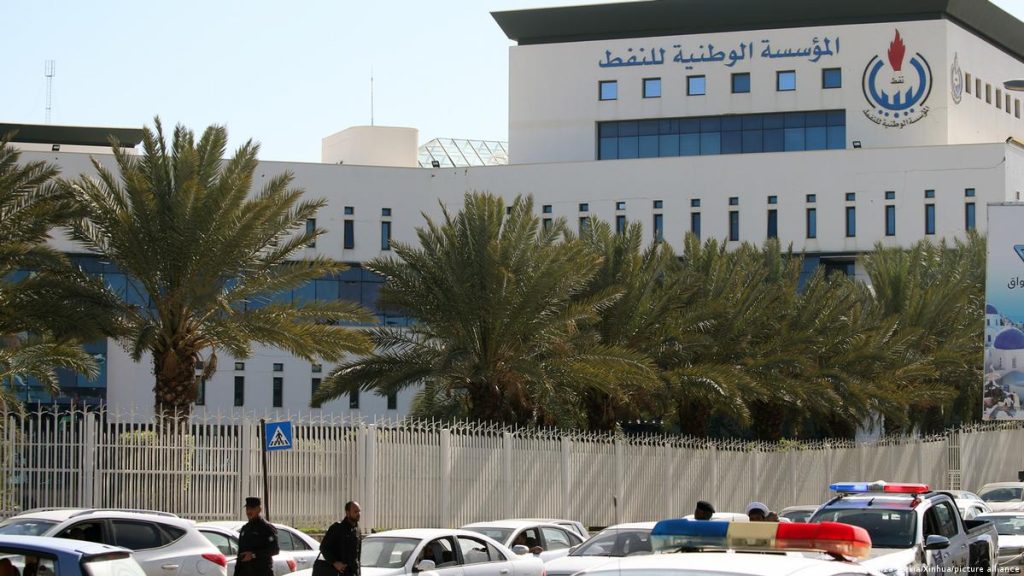
Libya is moving to accelerate oil production after the National Oil Corporation (NOC) secured an operating budget of more than LYD 13 billion and set a target of reaching 1.5 million barrels per day by mid-2027.
NOC Chairman Masoud Suleiman said the new funding provides the corporation with greater financial capacity to maintain output and advance projects across Libya’s oil sector. The allocation comes as production approaches levels not seen in more than a decade.
The NOC currently produces around 1.4 million bpd. In June, crude production reached 1.438 million bpd, while condensate added another 49,163 bpd, taking combined output close to 1.49 million bpd. The crude figure marked Libya’s highest production level since 2013.
New Funding Supports Libya’s Oil Production Push
The LYD 13 billion operating allocation gives the NOC a stronger financial base as it works to protect existing production and expand capacity.
Funding has remained a major constraint for Libya’s oil sector. In July, the NOC said it had received only LYD 1 billion of its LYD 13.6 billion approved 2026 budget, highlighting the gap between planned spending and actual funding.
The latest allocation could therefore help the corporation address maintenance requirements, support field operations and move forward with projects designed to increase production.
The NOC also needs substantial long-term investment to unlock Libya’s wider production potential. Chairman Suleiman has said the corporation could require around $36 billion to develop the sector and reach 2 million bpd in the early 2030s. The NOC expects foreign partners to provide about $16 billion, while it plans to contribute around $20 billion.
1.5 Million bpd Target Moves Within Reach
The 1.5 million bpd target now looks increasingly achievable, although sustaining higher production will depend on continued investment and reliable funding.
Libya already came close to that level in June when crude and condensate production reached almost 1.49 million bpd. Reaching 1.5 million bpd in crude production would represent another important milestone for the NOC and strengthen Libya’s position as a growing source of Mediterranean crude supply.
The production push also carries major implications for Libya’s public finances. Hydrocarbons remain the country’s primary source of export revenue and foreign currency, making higher and more stable oil output critical for government revenue.
For international oil companies and commodity traders, the funding increase signals a stronger commitment to restoring Libya’s production capacity. The NOC has already attracted renewed interest from international energy companies through its latest exploration licensing round, adding further momentum to the sector’s expansion.
The immediate goal is clear: reach 1.5 million bpd by mid-2027. If the NOC can maintain production stability while securing the investment needed for field development and infrastructure, Libya could enter a new phase of sustained oil growth.