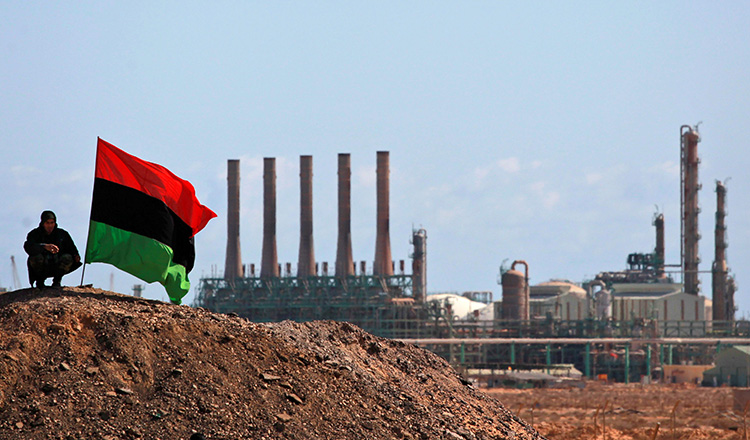
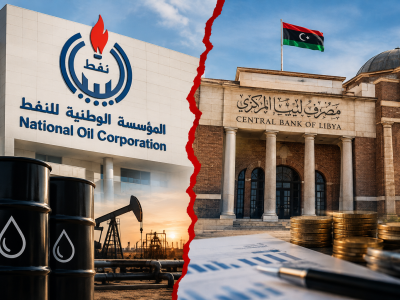
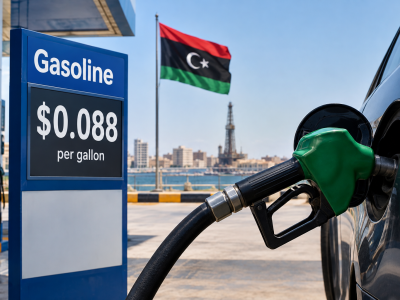
Libya oil production remains the single most important driver of the national economy. Oil exports fund state salaries, public services, infrastructure spending, and foreign currency reserves. When production rises, Libya gains more revenue and stronger fiscal flexibility. When output falls, economic pressure builds quickly.
In 2026, oil production stands at the center of Libya’s economic outlook. Investors, policymakers, and citizens all watch production levels closely. Any sustained increase could improve growth prospects, strengthen public finances, and support wider economic recovery.
Why Libya Oil Production Matters
Libya holds Africa’s largest proven oil reserves and sits close to major European energy markets. That gives the country a strategic advantage. Compared with many producers, Libya can supply crude oil to Europe with shorter shipping times and lower transport costs.
Oil revenue supports most government spending. It also helps fund fuel subsidies, imports, and development projects. Because the economy depends heavily on hydrocarbons, changes in production often shape national economic performance.
Higher Libya oil production can lead to:
- Increased government revenue
- Stronger foreign currency reserves
- Better funding for infrastructure
- Improved investor confidence
- More job creation in related sectors
Current Production Outlook
Libya’s production levels have moved sharply in recent years due to political disputes, shutdowns, maintenance issues, and security disruptions. Output can rise quickly when conditions improve, but it can also fall fast during crises.
In 2026, many analysts focus on whether Libya can maintain stable production and gradually expand capacity. Reaching higher levels would require consistent operations at major fields, export terminals, and pipelines.
The key issue is not only how much Libya can produce, but whether it can keep production stable month after month.
How Output Growth Could Help the Economy
If Libya increases oil production and avoids major disruptions, the economy could benefit in several ways.
1. Higher State Revenue
More barrels exported usually means more income, especially when global oil prices remain supportive. That gives authorities more room to fund wages, subsidies, and overdue development spending.
2. Better Currency Stability
Oil exports bring in foreign currency. Stronger reserves can help support the Libyan dinar and reduce pressure on imports.
3. Infrastructure Investment
With stronger revenue, Libya could invest in roads, power generation, ports, and water systems. These sectors need long-term funding after years of underinvestment.
4. Private Sector Confidence
Stable oil income can improve business confidence. Companies often invest more when state finances look stronger and payment systems improve.
What Could Hold Production Back?
Despite strong potential, Libya still faces major risks.
1. Political Divisions
Institutional disputes often affect budget decisions, management appointments, and control of oil revenue.
2. Security Risks
Tensions near oil fields, pipelines, or export terminals can disrupt output.
3. Aging Infrastructure
Many facilities need upgrades, repairs, and modern technology.
4. Overdependence on Oil
Even if production rises, Libya still needs growth in banking, agriculture, logistics, tourism, and manufacturing.
Can Libya Reach Higher Levels?
Libya has the reserves to increase output over time. International energy firms also continue to watch opportunities in exploration and redevelopment. However, long-term success depends on stability, clear regulation, and steady investment.
Short-term gains may come from reopening shut capacity, repairing damaged assets, and improving operational efficiency. Larger gains would require new field development and expanded infrastructure.