Libya’s Unified Budget: Can Fiscal Unity Revive the Economy in 2026?
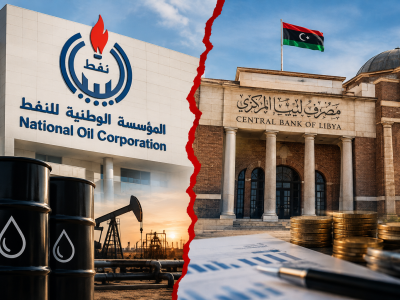
Libya has approved its first unified state budget in more than a decade, creating one of the most significant economic developments since the country split into rival administrations in 2014. The agreement aims to place eastern and western institutions under a single national spending framework for 2026.
For years, Libya operated through fragmented budgets, competing authorities, and overlapping spending centers. That system weakened planning, delayed infrastructure projects, and reduced confidence in state institutions. It also made it harder for policymakers to control inflation, manage liquidity, and direct public money efficiently.
Now the debate has shifted. Libya no longer needs to ask whether a unified budget is possible. It needs to ask whether a unified budget can deliver measurable economic progress.
Why the Unified Budget Matters
A national budget does more than assign spending totals. It creates a framework for priorities, discipline, and economic coordination.
Under division, Libya often faced unclear obligations, parallel expenditures, and disputes over revenue transfers. Ministries struggled to plan long term because financing remained uncertain. Businesses also faced delays when public contracts and payments became trapped in institutional disputes.
A unified budget can reduce that uncertainty. It gives the state a clearer picture of expected revenues, spending commitments, and development goals. It also allows financial authorities to coordinate policy more effectively.
For an economy still dominated by the public sector, that coordination matters.
What It Could Mean for the Libyan Dinar
The Libyan dinar remains highly sensitive to public spending patterns, oil revenue flows, and confidence in institutions.
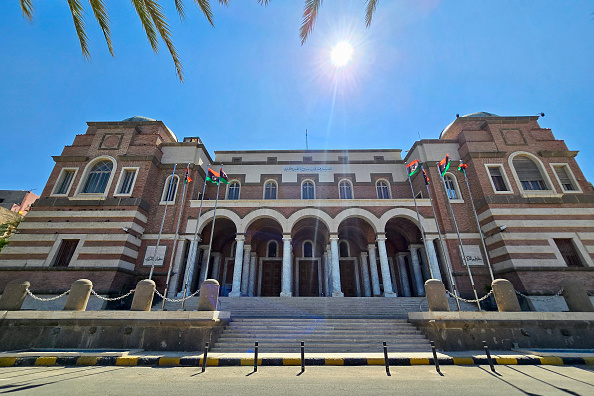
When budgets remain fragmented, pressure often builds on reserves and exchange rates. Markets react not only to numbers, but to perceptions of disorder. If investors, traders, and households believe fiscal management lacks control, pressure on the currency can intensify. A unified budget could help ease those concerns by showing greater discipline and clearer state finances. It would also give the Central Bank of Libya a stronger basis for liquidity management and monetary planning.
That does not guarantee immediate currency stability, but it improves the foundation.
Development Spending Could Gain Momentum
Libya continues to face major infrastructure gaps. Many roads need upgrades, electricity supply remains inconsistent, and public services require investment.
A coordinated national budget can help unlock delayed projects if ministries receive predictable funding and procurement moves faster. That could support sectors beyond oil, including construction, transport, logistics, and local services. This matters because Libya cannot rely forever on crude exports alone. Long-term growth requires a broader domestic economy that creates jobs outside the state payroll.
If the unified budget channels money toward productive investment rather than only consumption spending, the economic impact could be meaningful.
Why Foreign Investors Will Watch Closely
International companies often avoid markets where spending authority remains contested.
The new budget sends a more positive signal. It suggests Libya can coordinate policy, approve payments, and set national priorities with fewer institutional clashes. That could support confidence among energy firms, contractors, and foreign partners already exploring opportunities in the Libyan market.
However, investors will judge outcomes rather than announcements. They want reliable payments, legal clarity, and consistent execution. If those conditions fail to appear, the symbolic value of the budget will fade quickly.
The Risks Have Not Disappeared
A unified budget alone does not solve structural problems.
Overspending remains a serious concern if political actors treat the agreement as a tool for patronage. Libya already carries a heavy wage bill and broad subsidy burdens. If spending rises faster than revenues, new pressures could emerge. Transparency also remains critical. Without strong auditing and clear reporting, even a unified framework can still produce waste and inefficiency.
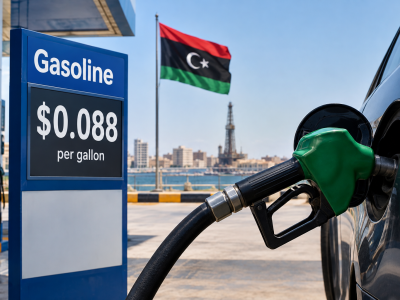
Oil dependence creates another risk. Libya still finances most public spending through hydrocarbons. Any drop in prices or disruption in production would strain state finances regardless of budget unity. Political tension also remains the biggest variable. The current agreement reflects cooperation between rival institutions, but that cooperation could weaken if broader disputes return.
Why 2026 Is a Real Test Year
This year will likely determine whether the unified budget becomes a turning point or another missed opportunity.
If Libyans begin to see more stable prices, smoother salary payments, visible infrastructure progress, and fewer financial disputes, confidence could improve across the economy. Businesses would gain more certainty. Consumers could feel less pressure. Institutions would gain credibility. If implementation stalls, the public may view the agreement as another political headline with limited practical value.
The Bottom Line
Libya’s unified budget offers a real chance to restore fiscal order after years of fragmentation. It could strengthen planning, support the dinar, unlock investment, and improve delivery of public services.
But approval alone means little. The real value of the budget will depend on discipline, transparency, and execution. Libya does not need another short-lived agreement. It needs institutions that can turn national revenue into sustainable growth. If that happens, the unified budget could become one of the most important economic shifts in Libya’s post-2011 era.