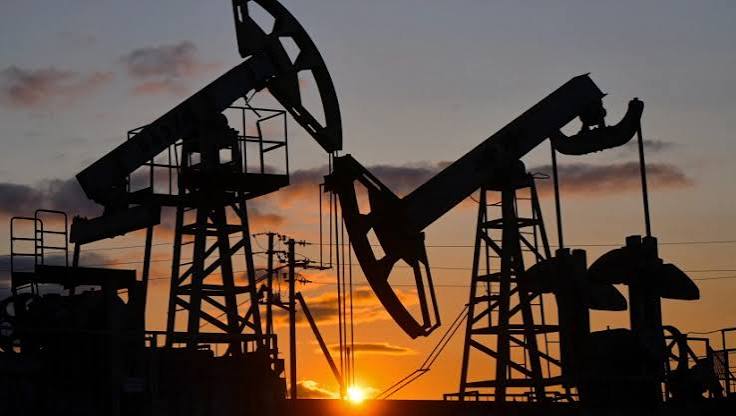
Libya’s oil production could rise above 1.5 million barrels per day in 2027 as the National Oil Corporation (NOC) works to restore inactive wells, improve existing fields and attract foreign investment. However, reaching that level will depend on funding, infrastructure and the country’s ability to avoid further disruptions to oil operations.
The NOC has maintained production at around 1.4 million barrels per day in recent months. Its next target is to exceed 1.5 million barrels per day by mid-2027, giving Libya an opportunity to increase export volumes and strengthen government revenue.
Can Libya reach 1.5 million barrels per day?
The NOC plans to increase output by bringing inactive wells back online and improving production at existing oilfields. These steps could deliver additional barrels faster than developing entirely new fields, although technical problems and maintenance requirements could slow progress.
The Sharara oilfield offers one example of this approach. Operated by Akakus Oil Operations, Sharara reached production of approximately 335,000 barrels per day in August 2026. The company aims to raise output to around 355,000 barrels per day by mid-2027, according to the Libyan News Agency.
Funding will also shape the outlook. In August, NOC Chairman Masoud Suleiman said the corporation had secured a $1 billion loan from the Libyan Foreign Bank to support projects aimed at increasing production. The NOC also needs investment to repair ageing infrastructure, maintain existing facilities and develop new reserves.
These plans build on the progress described in Libya Economic Review’s analysis of oil production and future targets.
What could hold production back?
Libya has the resources to increase output, but higher production is not guaranteed. Oilfields depend on reliable equipment, regular maintenance and sufficient funding. Delays in payments to contractors or shortages of operating funds could slow work and limit production gains.
Security and political disputes pose another risk. In September 2026, the closure of a pipeline valve disrupted operations at several fields and raised the possibility of further production cuts. The NOC warned that continued disruption could force it to declare force majeure.
Such incidents show how quickly local disputes can affect national oil production. Even if companies improve their technical capacity, repeated shutdowns could prevent Libya from sustaining higher output.
The NOC also wants to attract international partners to develop new fields and expand existing operations. In June 2026, it signed production sharing agreements with several international energy companies following its first licensing round in nearly two decades. These agreements could support future growth, although exploration and field development take time to deliver additional production.
What does 2027 mean for Libya’s oil sector?
Exceeding 1.5 million barrels per day would represent progress for Libya’s oil industry, but maintaining that level will be just as important as reaching it. Higher and more reliable production could increase export earnings and give the government more revenue to finance public spending.
For international energy companies, Libya offers opportunities to expand production and develop underused reserves. However, investors will need confidence that projects can secure funding, operate reliably and deliver commercial returns.
Libya’s oil production outlook for 2027 is therefore cautiously positive. The country could add more barrels through existing fields and restored wells, but the scale of growth will depend on investment and operational stability. The key test will be whether Libya can turn its production target into a sustained increase in supply.