Libya Reopens Hamada–Zawiya Oil Pipeline After Production Disruption

Libya Reopens Hamada–Zawiya Oil Pipeline After Production Disruption

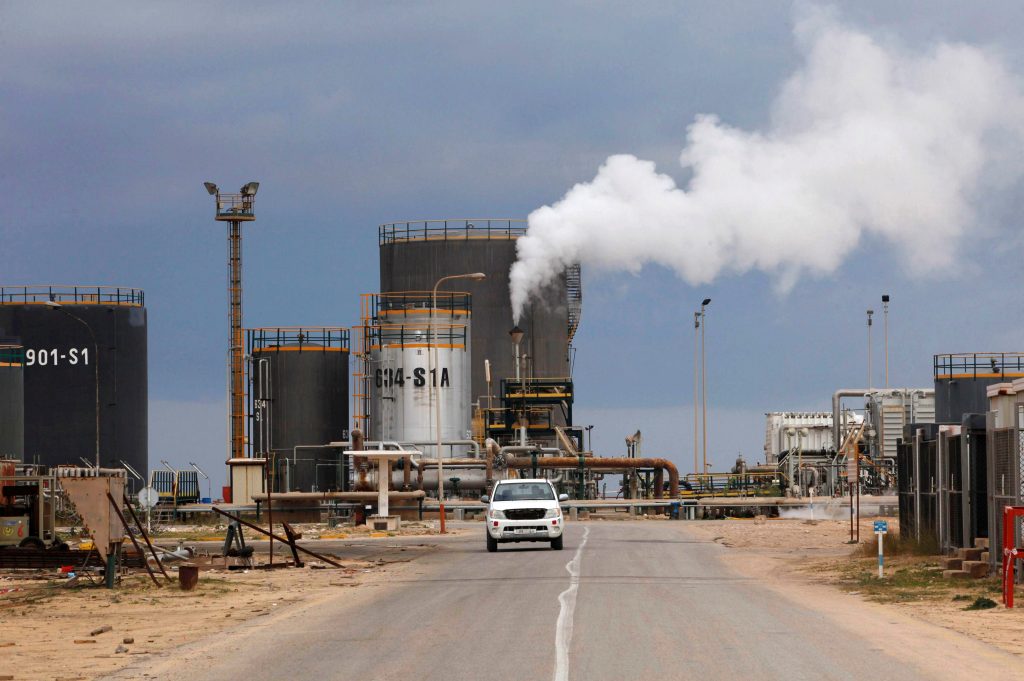
Libya has reopened the Hamada–Zawiya oil pipeline after a valve closure reduced production at the Hamada and Tahara oilfields, highlighting the risks facing the country’s oil supply infrastructure.


The National Oil Corporation (NOC) confirmed the reopening on Saturday, October 24, according to Reuters. The pipeline carries crude from the two southwestern oilfields to a receiving station near the Zawiya refinery.


Individuals entered the receiving station on Thursday and closed a pipeline valve, disrupting crude flows and forcing production cuts at both fields. The reopening aims to restore output, although the NOC has not provided a confirmed timeline for a full recovery.


Pipeline Disruptions Threaten Libya’s Oil Revenue


The incident highlights a recurring challenge for Libya’s oil sector. Even when production capacity is available, disruptions at pipelines and receiving stations can quickly reduce output and threaten export earnings.


Oil remains the main source of foreign currency and public revenue for Libya. Any prolonged interruption can therefore affect government finances, foreign exchange availability and the country’s ability to fund public spending.


The Hamada–Zawiya route is important because it connects southwestern production areas to infrastructure near one of Libya’s key refining and oil-handling centres. Disruptions along this route can affect both crude transportation and upstream operations.


The incident also underscores the National Oil Corporation’s exposure to security and political disputes around oil infrastructure. When individuals can close valves or restrict access to facilities, the consequences extend beyond the immediate production loss.


Restoring the pipeline is an important first step, but the wider challenge remains protecting oil facilities from further disruption. Stable production depends not only on investment and field capacity, but also on reliable transportation infrastructure and consistent operational control.


For Libya, the priority is to sustain oil flows and prevent local disputes from repeatedly interrupting the sector that supports the national economy. The speed of the production recovery will determine how quickly the latest disruption fades from the country’s oil balance.

Energy Hamada oilfield Libya oil Libyan oil production National Oil Corporation Oil Pipelines Tahara oilfield Zawiya refinery