Libya’s drive to increase oil production gained another boost after Waha Oil Company returned a long-idle well to service, adding fresh barrels to the country’s growing output and reinforcing the National Oil Corporation’s wider production strategy.
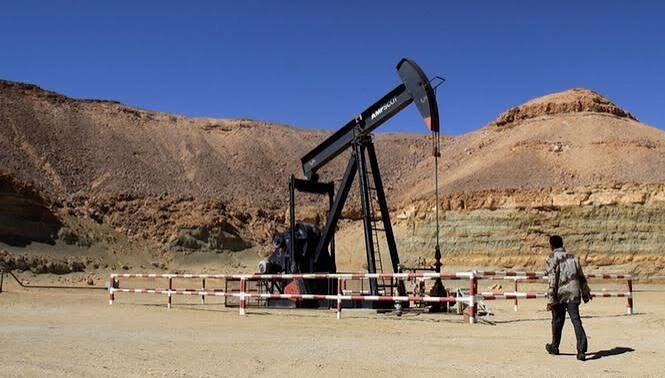
The company restored Well Q27-71 in the South Daffa area after eight years of inactivity. The well now produces around 480 barrels of oil per day (bpd) following an extensive rehabilitation campaign that overcame major technical challenges.
While 480 bpd will not transform Libya’s overall production on its own, the project highlights a broader trend across the country’s oil sector. Instead of relying only on new discoveries, operators increasingly unlock additional production by returning idle wells to service, improving recovery rates, and extending the life of existing assets.
Restoring Existing Capacity Supports Libya’s Growth Strategy
Well Q27-71 stopped producing in January 2018 after an electric submersible pump failed deep underground. The incident trapped the pump, more than 100 sections of production tubing, and thousands of feet of power cable, creating one of Waha Oil’s most difficult well recovery operations.
Waha Oil launched rehabilitation work in June with its drilling and well maintenance teams, working alongside Al-Duroob Company. Engineers successfully retrieved the trapped equipment before completing repairs and bringing the well back into production.
The project reflects a growing focus across Libya’s upstream sector. Bringing existing wells back online often delivers quicker and lower-cost production gains than drilling entirely new fields. For a country seeking to increase exports while attracting international investment, these incremental gains can add up across multiple assets.
Waha Oil has steadily expanded production through maintenance programs, workovers and new drilling. The company has already outlined ambitions to raise production significantly over the coming years as part of Libya’s wider energy expansion plans.
Small Wells, Bigger Economic Impact
Libya currently produces close to 1.5 million bpd, its highest level in more than a decade, as the National Oil Corporation works toward a long-term target of 2 million bpd. Achieving that goal will require major investment, new exploration, and continued improvements across existing producing fields.
Projects like the rehabilitation of Well Q27-71 demonstrate that production growth does not always come from headline-grabbing discoveries. Restoring mature wells improves asset utilization, generates additional export revenue, and strengthens operational reliability across producing fields.
For international investors watching Libya’s energy sector, these operational improvements also send an important signal. Oil companies continue to execute technically complex projects despite years of underinvestment, showing that experienced local teams can deliver measurable production gains.
As Libya seeks to capitalize on renewed interest from international energy companies, every additional barrel strengthens the country’s position. Individual projects may appear modest, but together they support higher national output, stronger export earnings, and greater confidence in Libya’s oil sector recovery.