While major energy agreements and infrastructure projects often dominate headlines, Libya’s latest talks with Croatia may prove equally important for the country’s long-term economic future.
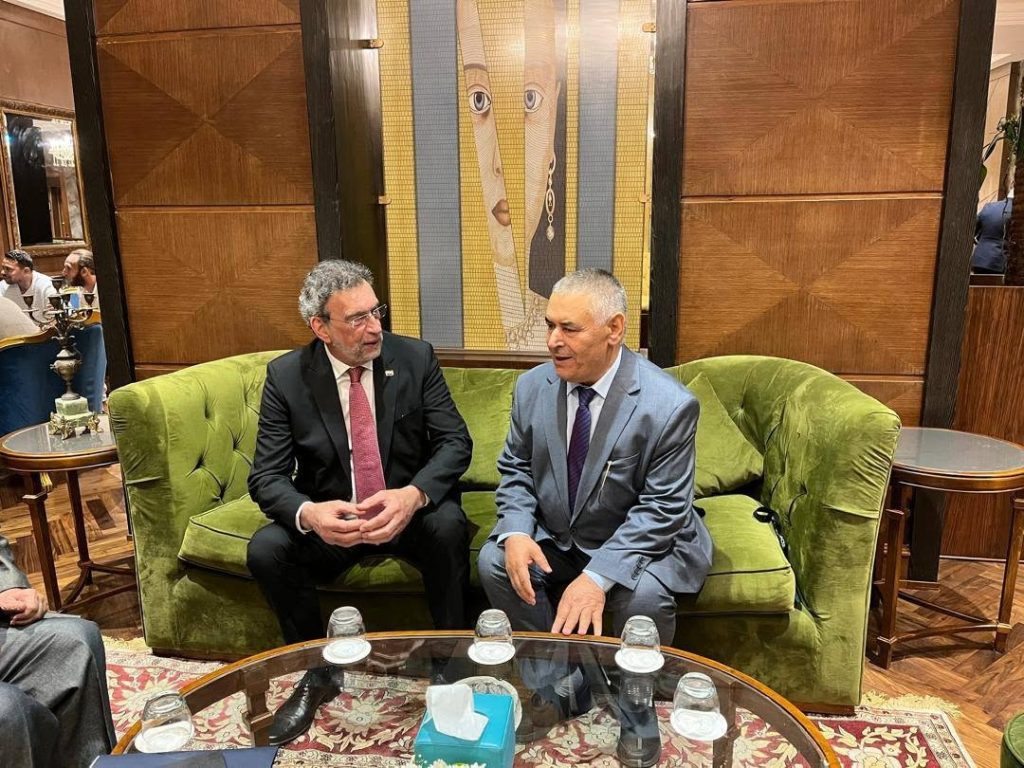
During meetings held in Cairo, Libyan and Croatian officials discussed cooperation in vocational training, curriculum development, and scholarship opportunities for Libyan students and professionals. Croatia expressed its willingness to support the modernization of technical education programs and provide master’s and doctoral scholarships aimed at strengthening Libya’s human capital.
At first glance, the discussions appear to focus on education. In reality, they address one of Libya’s most persistent economic challenges: the shortage of skilled workers needed to support growth, reconstruction, and diversification.
Libya’s Economy Needs Skills as Much as Investment
Libya’s economic debate often focuses on oil production, foreign investment, and public spending. These factors matter, but they are only part of the equation.
Economic development also depends on the availability of qualified technicians, engineers, IT specialists, and vocational workers. Many Libyan sectors continue to face shortages of trained personnel despite high levels of youth unemployment. This mismatch reflects a gap between educational outcomes and labor market needs.
As Libya seeks to increase energy production, rebuild infrastructure, modernize public services, and expand private-sector activity, demand for technical skills will continue to rise. Without a workforce capable of supporting these ambitions, investment alone cannot deliver sustainable growth.
The Croatian proposal to assist with curriculum modernization directly addresses this challenge. By updating technical education programs to reflect current industry requirements, Libya can improve the employability of graduates and strengthen workforce productivity.
Vocational Training Is Becoming a National Priority
The talks with Croatia did not happen in isolation. They form part of a broader effort by Libyan authorities to strengthen technical and vocational education through international partnerships.
Only days before the meeting, Libyan officials reaffirmed their commitment to vocational education during a regional forum in Egypt. Officials highlighted the importance of skills development, technology-focused training, and closer links between education and economic competitiveness. They also stressed the need to prepare qualified national cadres capable of supporting development and reconstruction projects.
This shift reflects a growing recognition that Libya’s future economy will require more than traditional public-sector employment. Sectors such as logistics, manufacturing, renewable energy, digital services, and advanced technology all depend on specialized skills and practical training.
International partnerships can help accelerate this process by providing access to expertise, training models, and educational standards that have already proven successful elsewhere.
Beyond Education: Building Long-Term Economic Capacity
The most significant aspect of the Libyan-Croatian discussions may be their long-term economic impact.
Scholarships and training programs can help develop a new generation of specialists, educators, and technical professionals. Curriculum reforms can create stronger links between educational institutions and labor market demands. Over time, these changes can improve productivity, reduce skills shortages, and make Libya more attractive to investors.
The partnership also comes amid wider efforts to strengthen Libya’s economic relations with Croatia. In recent months, Croatian and Libyan representatives have discussed expanding cooperation in trade, oil and gas, recycling projects, and other economic sectors. Education cooperation therefore complements a broader effort to deepen bilateral ties.
The real test, however, will be implementation. Libya has signed numerous cooperation agreements over the years, but successful outcomes depend on execution, funding, and measurable results.
If the plans move beyond diplomatic discussions and produce tangible improvements in training and education, the benefits could extend far beyond classrooms. They could help build the skilled workforce needed to support Libya’s next phase of economic development.
For a country focused on reconstruction and growth, investing in human capital may ultimately deliver returns that rival any infrastructure project or investment agreement.