As temperatures rise across Libya, the government has stepped up efforts to prevent power shortages that could disrupt households, businesses, and economic activity during the summer months.
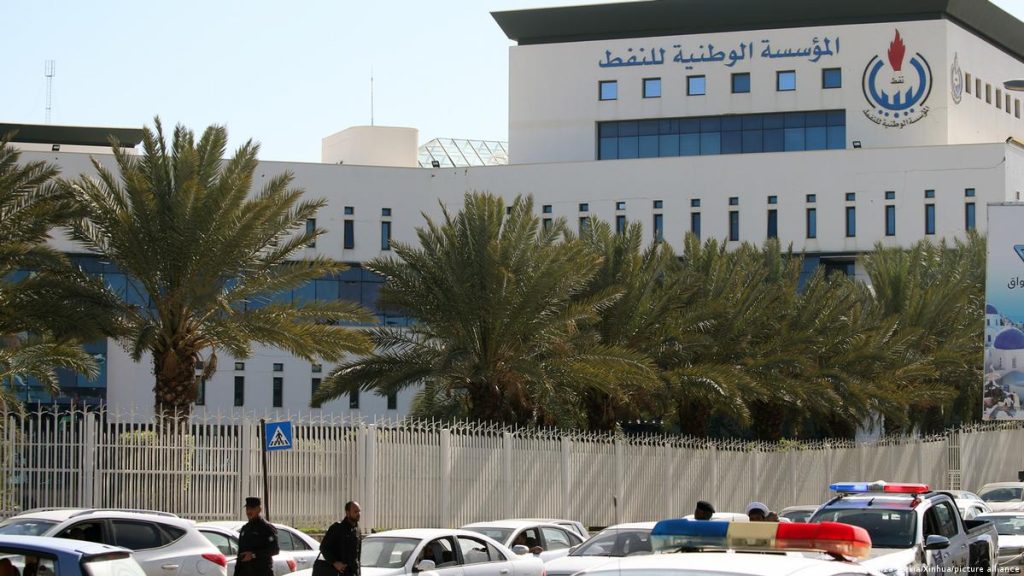
Prime Minister Abdul Hamid Dbeibah recently ordered an urgent meeting between the National Oil Corporation (NOC) and the General Electricity Company of Libya (GECOL) to ensure the stability of electricity supplies throughout the peak summer season. The move highlights the growing importance of coordination between Libya’s energy and power sectors as the country faces increasing demand for electricity.
While Libya possesses substantial oil and gas resources, maintaining a reliable electricity supply remains one of the country’s most persistent economic challenges. Summer often places significant pressure on the national grid as air-conditioning use surges and power consumption reaches annual highs.
Why Summer Power Stability Matters
Electricity shortages carry consequences that extend far beyond household inconvenience. Reliable power remains essential for economic growth, industrial production, commercial activity, and public services.
Many Libyan businesses continue to rely on backup generators during periods of grid instability. This increases operating costs and reduces competitiveness, particularly for manufacturers, service providers, and small enterprises. Frequent outages can also disrupt logistics, telecommunications, healthcare services, and financial operations.
For investors, electricity reliability often serves as a key indicator of a country’s business environment. Improvements in power stability can strengthen confidence in Libya’s economic recovery and support efforts to attract both domestic and foreign investment.
The government’s focus on electricity security ahead of summer therefore reflects broader economic priorities. Stable power supplies help create conditions for growth while reducing pressure on businesses and consumers.
Energy Sector Coordination Takes Center Stage
The meeting ordered by Dbeibah underscores the close relationship between Libya’s oil, gas, and electricity sectors.
Power generation in Libya depends heavily on natural gas supplied by the National Oil Corporation and its affiliated companies. Any disruption in fuel supplies can quickly affect electricity production, particularly during periods of peak demand.
Improved coordination between NOC and GECOL could help ensure power stations receive adequate fuel supplies throughout the summer. Such cooperation also allows authorities to identify potential bottlenecks before they develop into larger operational challenges.
In recent years, Libya has made progress in restoring oil production and increasing hydrocarbon output. The country now produces around 1.4 million barrels of oil per day, one of the highest levels recorded in more than a decade. However, translating energy wealth into reliable domestic infrastructure remains an ongoing challenge.
Ensuring that oil and gas resources support electricity generation efficiently represents a critical component of Libya’s wider economic strategy.
Growing Demand Tests the Grid
Libya’s electricity demand has continued to grow as population levels rise, urban development expands, and economic activity gradually recovers.
During the summer, demand typically reaches its highest point as households and businesses increase cooling requirements. This seasonal surge places additional strain on generation facilities and transmission networks.
Authorities have invested in maintenance programs, generation upgrades, and infrastructure improvements in recent years. Several projects have sought to increase generation capacity and strengthen grid performance. Nevertheless, demand growth continues to challenge the system.
Energy experts frequently note that expanding generation capacity alone may not fully resolve the issue. Long-term improvements require investment across the entire electricity value chain, including fuel supply, transmission networks, distribution systems, and grid management technologies.
The government’s latest intervention suggests officials recognize the need for proactive planning rather than reactive crisis management.
A Key Test for Economic Management
The coming summer will serve as an important test of Libya’s ability to manage critical infrastructure and support economic stability.
Electricity reliability affects nearly every sector of the economy. From oil facilities and industrial operations to retail businesses and public institutions, stable power supplies help maintain productivity and reduce operational risks.
Success in avoiding major disruptions could strengthen public confidence and demonstrate improved coordination among key state institutions. It could also reinforce Libya’s broader efforts to modernize infrastructure and create a more attractive environment for investment.
While long-term reforms remain necessary, immediate cooperation between NOC and GECOL may help reduce the risk of severe power shortages during the months ahead.
As Libya continues to pursue economic recovery and higher energy production, ensuring reliable electricity supplies will remain one of the country’s most important infrastructure priorities. The government’s latest action signals that officials understand the economic costs of instability and the importance of keeping the lights on during one of the year’s most demanding periods.