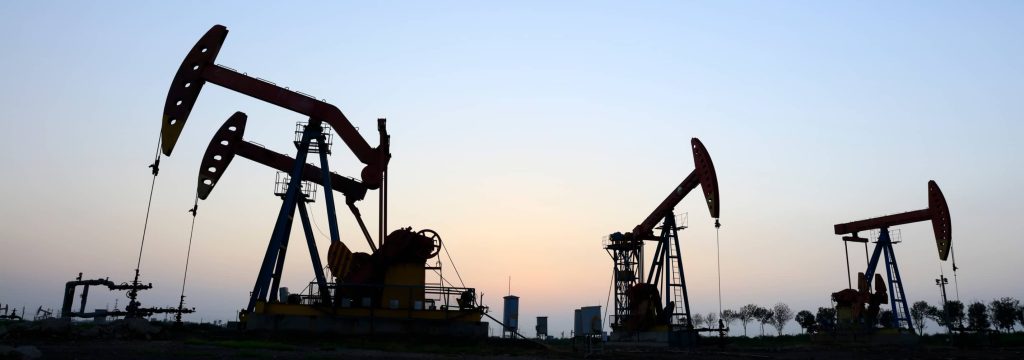
Libya enters 2026 with a renewed sense of direction in its oil sector, as policymakers and the National Oil Corporation push to attract major Western energy companies back into long-term upstream partnerships. The shift comes at a moment when global markets remain tight, European demand continues to prioritize proximity suppliers, and Libya tries to reposition itself as a reliable Mediterranean producer despite persistent structural constraints.
The country still carries familiar challenges that have shaped its energy narrative for more than a decade. Infrastructure requires sustained maintenance, investment gaps remain wide, and political fragmentation continues to complicate long-term planning. Yet these limitations no longer define the entire story. Instead, they sit alongside a growing effort to stabilize output and rebuild credibility with international operators who now reassess Libya through a more pragmatic lens than in previous cycles.
Western energy firms reassess Libya as deal structures evolve
The renewed interest from Western oil majors reflects a broader recalibration in global upstream strategy rather than a sudden shift in sentiment. Companies that once reduced exposure to Libya now revisit the country through a risk-adjusted investment framework that weighs reserves, costs, and proximity to Europe against operational uncertainty. In that calculation, Libya still holds a competitive position.
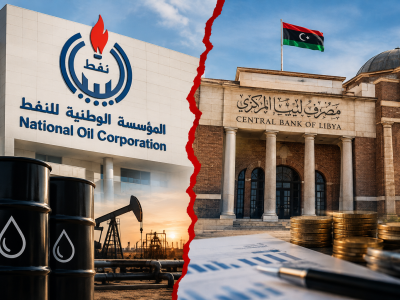
National Oil Corporation plays the central role in shaping this new phase. The institution now focuses on raising production capacity while improving operational stability across its core fields. It also works to redesign commercial frameworks in a way that appeals to international partners who demand clearer fiscal terms and stronger guarantees on continuity.
This push does not emerge in isolation. It aligns with Libya’s broader recognition that output growth depends less on geological potential and more on the structure of investment agreements and the technical capacity to maintain aging assets. As a result, discussions increasingly move toward long-term partnerships that allow foreign operators to re-enter the market through structured joint ventures rather than short-term service contracts.
Western companies respond cautiously but with growing attention. The appeal lies in Libya’s substantial reserves and relatively low production costs, which remain attractive even when offset against political and logistical risks. At the same time, firms now prioritize contractual clarity and operational predictability, which places pressure on Libyan authorities to maintain consistency in licensing and payment systems.
Production strategy shifts toward stability, gas integration, and export leverage
While investment discussions regain momentum, Libya’s internal strategy also shifts toward stabilizing production and improving export reliability. Output volatility has long undermined the country’s ability to fully benefit from high global price cycles, and policymakers now treat stability as a prerequisite for growth rather than a secondary objective.
Within this framework, National Oil Corporation continues to expand its focus beyond crude production alone, placing greater emphasis on gas monetization and infrastructure rehabilitation. Gas now plays a more strategic role in Libya’s energy planning, particularly as the country seeks to reduce flaring and increase the commercial value of associated gas streams that previously went underutilized.
Geography strengthens this strategy. Libya’s location on the Mediterranean provides direct access to European markets, which shortens shipping routes and reduces transport costs compared to competing suppliers. This advantage gains importance as Europe continues to diversify its energy imports and prioritize suppliers that can offer both scale and proximity.
However, Libya’s export potential still depends on infrastructure reliability. Pipelines, terminals, and offshore facilities require consistent investment to maintain throughput and avoid disruptions. This is where foreign capital becomes critical, not only to expand capacity but also to introduce technical systems that improve recovery rates in mature fields.
The next phase of Libya’s oil sector therefore depends on alignment between three elements: foreign investor confidence, institutional stability within the NOC framework, and the government’s ability to maintain a predictable operating environment. When these factors align, production growth becomes achievable at scale. When they do not, output remains constrained regardless of reserves.
For now, Libya sits in a transitional position. The interest from Western energy companies has clearly returned, but it has not yet fully converted into large-scale investment commitments. The groundwork for a new cycle in the country’s upstream sector now exists, yet the pace of execution will determine whether 2026 becomes a turning point or another missed opportunity in Libya’s long and uneven energy trajectory.