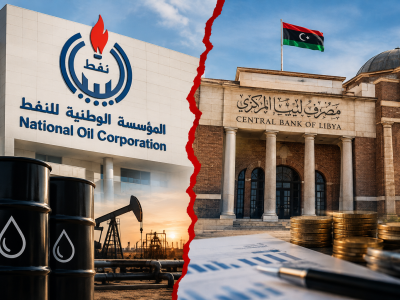
Libya’s refining deficit and strategic location could attract Russian interest, but political fragmentation remains the biggest challenge for a major energy project
Russia could look at Libya as a potential base for refining and petroleum product exports after Tripoli proposed that Moscow consider building oil refineries inside the country. The proposal reflects a wider shift in Libya’s energy strategy. The country holds some of Africa’s largest oil reserves, yet it continues to rely heavily on imported gasoline and diesel because domestic refining capacity remains limited.
For Russia, a refinery project in Libya could offer access to Mediterranean markets and create a new location for processing and trading petroleum products closer to key consumers. The idea also highlights Libya’s broader ambition: moving beyond crude exports and developing a stronger position in the regional fuel market.
Libya’s Refining Gap Creates Opportunity for Foreign Investment
Libya’s energy sector has long faced a major imbalance. The country exports large volumes of crude oil but lacks sufficient refining capacity to meet domestic demand. Libya has several refineries with a combined nameplate capacity of around 380,000 barrels per day. However, actual output remains far below potential because years of conflict, technical problems, and underinvestment have affected operations. The Ras Lanuf refinery, for example, Libya’s largest by capacity, has remained offline since 2013.
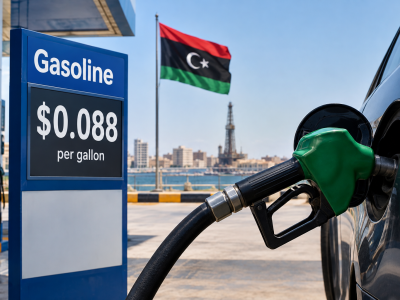
The result has been a costly dependence on fuel imports. Despite its oil wealth, Libya spent billions of dollars importing refined products as local facilities failed to supply the domestic market. A new refinery investment could therefore address one of Libya’s biggest economic weaknesses.
A modern facility could help reduce fuel import costs, strengthen domestic energy security, and create opportunities to export refined products across the Mediterranean and Africa. The National Oil Corporation has already identified refinery expansion as a priority, with plans to increase refining capacity and rehabilitate existing facilities.
Why Russia May See Libya as a Strategic Energy Location
Russia remains one of the world’s largest oil producers, but geopolitical pressure has pushed Moscow to explore alternative trade routes and partnerships.
A refinery inside Libya would give Russian companies a potential foothold closer to Mediterranean markets. Instead of shipping petroleum products directly from Russian ports, Moscow could theoretically use Libyan infrastructure to process and distribute fuel closer to European, North African, and regional markets.
Libya’s geography makes the country attractive. Its long Mediterranean coastline provides access to major shipping routes, while its proximity to Europe creates logistical advantages for fuel distribution. The project could also fit into Russia’s broader push to expand economic ties with Libya. Both countries have continued discussions on trade and investment cooperation, including efforts to strengthen economic relations beyond the oil sector.
However, any refinery project would depend on commercial factors, including financing, technology partnerships, export access, and long-term political stability.
Political Risks Could Challenge Libya’s Refining Ambitions
While Libya offers significant energy potential, investors still face major challenges.
The country remains politically divided between competing authorities, and security concerns continue to affect infrastructure projects. Recent disruptions at major energy facilities have highlighted the vulnerability of Libya’s oil and gas infrastructure.
A refinery requires long-term stability. Investors need confidence that facilities can operate without disruption, contracts will remain enforceable, and infrastructure will receive adequate protection. Russia would also need to consider international political risks. Any major energy project involving Russian companies could face additional scrutiny because of sanctions and geopolitical tensions. For Libya, the challenge is balancing foreign investment opportunities with the need to maintain broad international partnerships.
A Potential Shift From Crude Exporter to Regional Fuel Hub
A Russian-backed refinery project remains only a proposal, but it highlights a larger opportunity for Libya.
The country’s future energy strategy may depend not only on increasing crude production but also on developing downstream industries that capture more value from its natural resources.
If Libya can attract investment into refining, storage, and fuel logistics, it could strengthen its role as a Mediterranean energy hub. For Russia, Libya offers strategic geography and access to regional markets. For Libya, foreign refinery investment could help solve a long-standing problem: producing oil while still importing the fuel needed to power its economy.
The success of such a project, however, will depend on whether Libya can provide the political stability required to turn energy ambitions into operating assets.