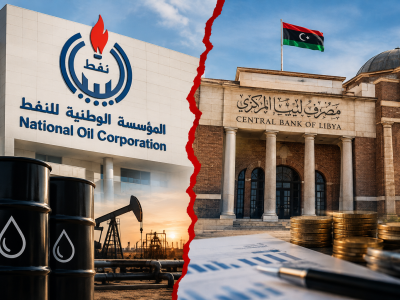
Libya’s National Oil Corporation (NOC) has recorded its highest oil revenues in more than a decade, marking a significant milestone for the country’s energy sector and providing a much-needed boost to the national economy.
According to NOC figures, total revenues reached nearly $22 billion in 2025, up roughly 15% from the previous year. The increase coincided with the highest crude oil production levels recorded in ten years, with average output reaching approximately 1.37 million barrels per day. The corporation also reported substantial growth in export volumes as Libya continued efforts to restore production capacity across key oil fields and export terminals.
The figures underline the central role of hydrocarbons in Libya’s economy. Oil and gas remain the country’s primary source of foreign currency earnings and government revenue, making the performance of the energy sector a critical indicator of overall economic health.
The latest results represent a remarkable recovery compared with the disruptions that have periodically affected Libya’s oil industry over the past decade. Political divisions, security challenges, infrastructure damage, and export blockades repeatedly reduced production and limited state revenues. The new revenue record suggests that recent efforts to stabilize operations and expand output have produced tangible results.
For policymakers and investors alike, the achievement demonstrates that Libya retains substantial potential as one of Africa’s leading energy producers. The country possesses the continent’s largest proven oil reserves and benefits from relatively low production costs and proximity to European markets. These advantages continue to attract interest from international energy companies seeking opportunities in upstream development and infrastructure projects.
Revenue Growth Creates Opportunities—and Expectations
Higher oil revenues could strengthen Libya’s fiscal position at a time when public spending pressures remain elevated. Increased inflows into state accounts provide greater capacity to fund infrastructure projects, public services, and energy-sector investments.
The NOC has already emphasized the importance of continued field development, rehabilitation programs, and drilling activity to sustain production growth. During 2025, the corporation expanded development operations across several subsidiaries and tied new wells into production networks, helping support the rise in output.
However, economists note that revenue growth alone does not guarantee long-term economic resilience. Libya’s dependence on hydrocarbons leaves the economy highly exposed to fluctuations in global oil prices and production disruptions. While strong revenues can support growth in the short term, sustainable development requires broader economic diversification and improved management of public finances.
The challenge becomes even more significant as global energy markets undergo structural changes. Many countries continue investing in renewable energy and lower-carbon technologies, prompting oil-producing states to maximize the value of existing hydrocarbon resources while preparing for future transitions.
For Libya, this means balancing immediate revenue opportunities with long-term investment needs. Upgrading refineries, improving export infrastructure, reducing operational bottlenecks, and expanding natural gas production could help strengthen the sector’s competitiveness in the coming years.
Sustaining Momentum Will Be the Next Test
While the latest revenue figures highlight a successful year for Libya’s energy industry, maintaining that momentum may prove more difficult than achieving it.
The country’s oil sector still faces several structural challenges. Aging infrastructure requires significant investment, while governance concerns and illicit fuel trading continue to create financial losses and operational inefficiencies. International observers and industry analysts have repeatedly pointed to the need for greater transparency and stronger oversight across the energy value chain.
At the same time, political stability remains closely linked to energy performance. Oil revenues support government finances, public salaries, and economic activity across the country. Any disruption to production or exports can quickly affect fiscal balances and investor confidence.
Nevertheless, the latest results provide evidence that Libya’s energy sector retains considerable resilience. By combining higher production, increased exports, and stronger revenue collection, the NOC has delivered its strongest financial performance in a decade.
The achievement offers an opportunity for Libya to translate energy wealth into broader economic gains. Whether that opportunity leads to sustained development will depend on continued investment, effective governance, and the ability to maintain stable oil production in an increasingly competitive global energy market.
For now, the record revenues stand as a reminder that Libya’s oil sector remains the backbone of the national economy—and one of the country’s most important assets for future growth.