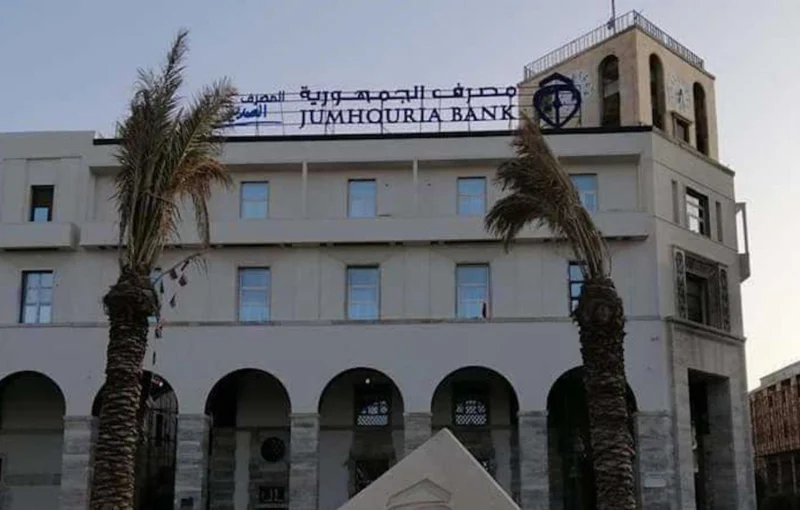
Libya’s largest commercial lender, Jumhouria Bank, is exploring a new partnership with technology giant Huawei as the country’s banking sector accelerates efforts to modernize financial services and expand digital infrastructure.
The discussions, held in Tripoli this week, focused on potential cooperation in areas including cloud computing, artificial intelligence, digital banking solutions, and communications technology. While both sides have yet to announce a formal agreement, the talks reflect growing momentum behind Libya’s broader digital transformation agenda.
The development comes as Libyan banks face increasing pressure to improve customer services, expand electronic payment systems, and reduce the economy’s long-standing dependence on cash transactions. For Libya’s financial sector, digitalization has shifted from a long-term objective to an immediate economic priority.
Digital Banking Gains Importance Across Libya
Over the past several years, Libya has recorded steady growth in electronic payments, mobile banking services, point-of-sale networks, and digital financial products. Commercial banks have invested in new technologies as regulators push for greater financial inclusion and improved banking efficiency.
The Central Bank of Libya has repeatedly emphasized the importance of expanding electronic payment infrastructure to support economic modernization. Digital payment systems can reduce transaction costs, improve transparency, and strengthen access to financial services for both businesses and consumers.
Jumhouria Bank has played an increasingly prominent role in that transition. As Libya’s largest bank by customer base, its technology investments often influence broader trends across the banking sector.
A partnership with Huawei could provide access to advanced digital infrastructure, cloud-based systems, cybersecurity solutions, and artificial intelligence tools that support the modernization of banking operations.
The discussions also highlight the growing role of international technology companies in Libya’s economic development. As financial institutions seek to modernize legacy systems, foreign technology providers continue to identify opportunities within Libya’s underdeveloped digital economy.
Technology Investment Becomes an Economic Driver
The significance of the talks extends beyond the banking sector.
Digital infrastructure has become a critical component of economic competitiveness worldwide. Countries that successfully modernize payment systems and financial services often benefit from stronger private-sector activity, improved investment conditions, and greater efficiency across the economy.
For Libya, digital transformation remains closely linked to broader economic reform efforts.
Many businesses still rely heavily on cash transactions, while access to modern banking services varies significantly across regions. Expanding digital financial services could help address some of these challenges by improving payment efficiency and reducing barriers to financial participation.
Technology partnerships may also support the development of local expertise. Training programs, knowledge transfer initiatives, and technical cooperation agreements can strengthen Libya’s human capital while helping institutions adopt international best practices.
Huawei has expanded its presence across several sectors in Libya in recent years, including telecommunications, education, and digital infrastructure. Cooperation with major financial institutions would represent another step in the company’s efforts to participate in the country’s modernization efforts.
Why the Partnership Matters
Although the discussions remain at an early stage, they signal an important shift within Libya’s economy.
For decades, economic development strategies largely centered on hydrocarbons. Oil and gas will remain the backbone of Libya’s economy, but policymakers and businesses increasingly recognize the need to invest in supporting sectors that improve productivity and strengthen economic resilience. A modern banking system plays a central role in that process.
Efficient digital payment networks, secure financial infrastructure, and accessible banking services can support entrepreneurship, facilitate investment, and improve the overall business environment.
The talks between Jumhouria Bank and Huawei therefore represent more than a potential technology partnership. They reflect the growing recognition that digital transformation will play a key role in shaping Libya’s economic future.
As Libya seeks to diversify its economy and modernize key institutions, investment in financial technology may prove just as important as investment in physical infrastructure.