Higher imports provide short-term relief, but Libya’s power shortages continue to expose deeper structural weaknesses in the electricity sector.
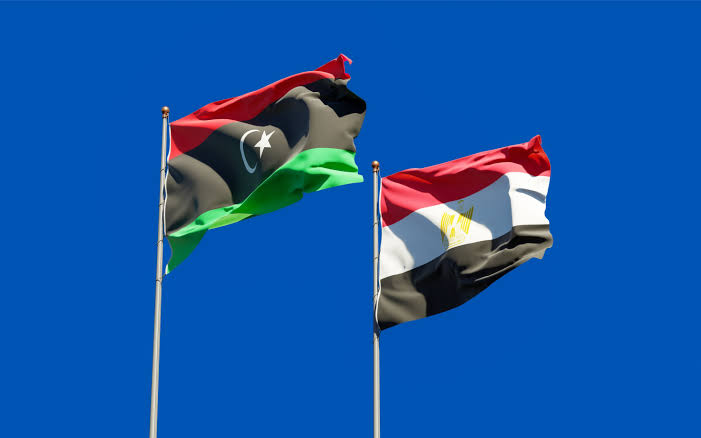
Libya’s worsening electricity crisis has prompted Egypt to increase power exports to eastern Libya by about 43%, highlighting how neighboring countries continue to play an important role in keeping parts of the Libyan grid operational. While the additional electricity offers temporary relief during one of the country’s most severe summers in recent years, it also underlines Libya’s growing dependence on imported electricity as domestic generation struggles to meet demand.
According to Egyptian officials cited by local media, electricity exports to eastern Libya have risen from around 70 megawatts to approximately 100 megawatts following the widespread grid collapse that affected large parts of Libya during July. The increase comes after Libya settled roughly $100 million in overdue payments for electricity imports, allowing cross-border supplies to resume before expanding further.
The additional supply remains modest compared with Libya’s national electricity demand, which rises sharply during the summer because of heavy air conditioning use. However, it provides valuable support for eastern cities connected to the Egyptian interconnection network and helps reduce pressure on local generating units.
Libya has endured prolonged power cuts for weeks, with blackouts lasting several hours each day across many regions. The shortages have fueled public frustration, demonstrations and increasing criticism of authorities responsible for maintaining the country’s electricity infrastructure.
Imports cannot replace domestic generation
The increase in Egyptian exports reflects the value of regional electricity interconnections, but it does not solve Libya’s underlying energy challenges.
Despite holding Africa’s largest proven oil reserves and significant natural gas resources, Libya continues to face chronic electricity shortages. Years of underinvestment, delayed maintenance, aging power stations and political instability have limited the country’s ability to expand reliable generating capacity. Gas supply disruptions to power plants have also contributed to repeated grid instability.
The recent crisis demonstrated how vulnerable Libya’s electricity system remains when fuel supplies, generation assets or transmission infrastructure come under pressure. Even relatively small disruptions can trigger widespread blackouts because reserve capacity remains limited.
Electricity imports from Egypt offer flexibility during periods of peak demand, particularly for eastern Libya, but the imported volumes cover only a fraction of national consumption. Libya still relies overwhelmingly on domestic gas-fired power stations to supply its electricity.
The country therefore faces a broader investment challenge. Expanding generation capacity, upgrading transmission networks and improving maintenance will remain essential if Libya wants to reduce recurring power shortages over the coming years.
Regional energy cooperation gains importance
The higher electricity exports also strengthen energy cooperation between Egypt and Libya at a time when both countries continue expanding cross-border infrastructure links.
Egypt has spent the past decade transforming its own electricity sector through major investments in generation capacity and transmission infrastructure. The country now possesses surplus generating capacity, allowing it to export electricity to neighboring markets while pursuing wider regional energy integration.
For Libya, stronger regional interconnections create another layer of energy security. Cross-border electricity trading can help stabilize supply during emergencies, reduce the impact of unexpected outages and support economic activity while domestic infrastructure undergoes repairs or expansion.
The latest increase in exports also arrives as Libya explores broader energy diversification. Authorities recently announced new solar energy initiatives designed to strengthen the national grid and reduce pressure on conventional power stations. Although renewable energy projects will require time to deliver meaningful capacity, they could eventually complement natural gas generation and improve long-term grid resilience.
The immediate priority, however, remains restoring reliable electricity supplies before the peak summer demand period eases. Continued imports from Egypt will likely help prevent more severe shortages in eastern Libya, but sustainable improvement will depend on domestic investment rather than emergency support from neighboring countries.
For investors and energy markets, the latest developments reinforce a familiar reality. Libya’s hydrocarbon sector continues to increase oil production, yet the country’s electricity infrastructure remains one of its biggest economic constraints. Until generation capacity, transmission networks and fuel supply systems receive sustained investment, periodic power crises will continue to weigh on industrial activity, public services and broader economic growth.