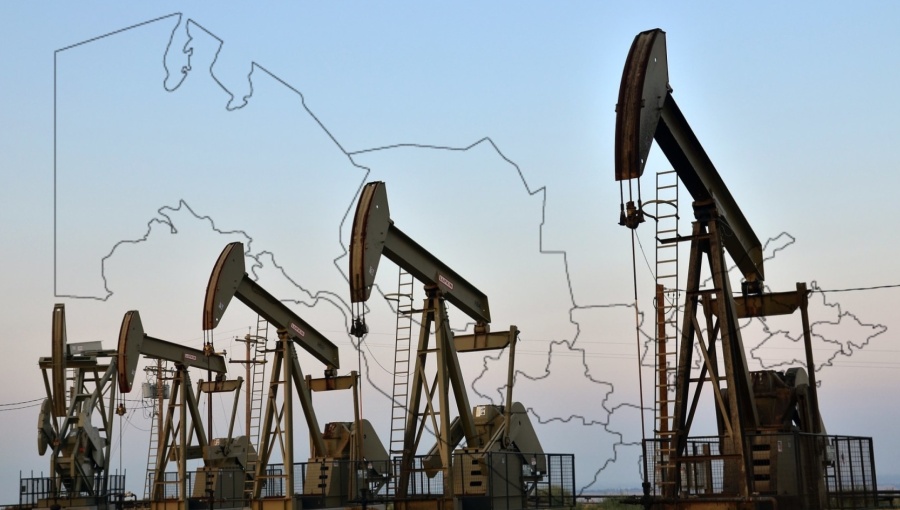
Russia’s refinery disruptions are forcing Central Asian countries to rethink one of their most important energy relationships. For decades, the region has relied heavily on Russian refined products because of geography, established infrastructure and long-standing trade connections.
Now, tighter Russian fuel supplies and export restrictions are creating new challenges for governments, traders and industries across Central Asia. Countries that once depended on predictable Russian deliveries are looking for alternative suppliers and new transport routes to protect energy security.
The shift highlights a broader change in global energy markets. Countries are increasingly prioritizing supply diversification, reliable logistics and stronger regional connections as geopolitical risks continue to reshape fuel trade.
Central Asia’s dependence on Russian fuel faces new pressure
Central Asia’s fuel markets developed around Russia’s energy system. Rail networks, pipelines and commercial links made Russian diesel and gasoline the most practical option for many countries in the region.
Kazakhstan, Kyrgyzstan, Tajikistan and Uzbekistan have all benefited from Russia’s ability to supply large volumes of refined products quickly and competitively. However, disruptions to Russian refining capacity have exposed the risks of relying on a single supplier. Any reduction in Russian exports immediately affects countries that have limited alternatives and fewer domestic refining options.
Governments and traders are now exploring new supply routes. Kazakhstan could play a larger role in regional fuel security where domestic production and refining capacity allow. The country has invested in upgrading its refineries and remains one of Central Asia’s largest energy producers.
Azerbaijan has also gained attention because of its strategic location between the Caspian Sea, Central Asia and European markets. Expanding trade routes through the Caspian and Caucasus could provide additional options for countries seeking to reduce their reliance on Russian fuel. Some buyers may also look toward Gulf refiners, particularly when global supply conditions and shipping economics make longer-distance imports competitive. However, transportation costs and limited infrastructure remain key challenges.
The transition will not happen overnight. Russia still holds a major advantage through geography and existing energy networks. But recent disruptions have accelerated discussions about alternative suppliers.
A new energy map is emerging across Eurasia
The search for alternatives reflects a wider transformation in global energy trade.
Countries are no longer only considering price when choosing suppliers. Reliability, political stability and transport flexibility have become equally important factors. The Caspian region could become increasingly important as governments invest in new trade corridors connecting Central Asia with the Middle East and Europe. These routes could give energy buyers more options and reduce dependence on traditional suppliers.
This shift also creates opportunities beyond Central Asia.
Producers with strong export infrastructure and strategic locations could benefit as buyers diversify. Libya, for example, remains well positioned in the Mediterranean crude market thanks to its proximity to European refineries and growing oil production. While Libya does not compete directly with Russia’s refined fuel exports, its crude could become increasingly valuable as European refiners seek reliable suppliers in a more fragmented energy market.
Diversification becomes the new energy strategy
Russia’s refinery disruptions have demonstrated how quickly regional fuel markets can face pressure when a major supplier experiences problems. For Central Asia, the immediate priority remains securing stable fuel supplies. Expanding domestic capacity, strengthening regional partnerships and developing alternative trade routes will become increasingly important.
The longer-term impact could be a more diversified Eurasian energy system, where countries rely less on a single supplier and build stronger connections with multiple markets.
As energy security becomes a central priority, the winners will be producers and trading hubs that can offer reliable supply, competitive logistics and flexibility. The current disruption may have started in Russia, but its consequences are accelerating changes across the global energy map.