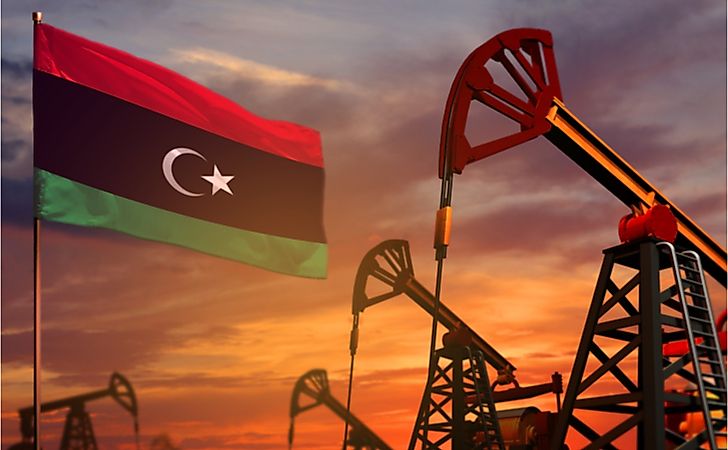
Libya’s energy sector is entering a new phase. While crude oil continues to dominate exports and government revenues, recent gas developments suggest the country is building a broader and more resilient hydrocarbons industry. New offshore production, fresh international investment, and the first exploration licensing round in nearly two decades all point to a market that looks increasingly attractive for global energy companies.
For investors, the story extends beyond natural gas. Libya’s expanding gas capacity could also strengthen its ability to sustain higher oil production, improve infrastructure utilization, and reinforce its position as one of the Mediterranean’s most important energy suppliers.
Gas Investment Creates Momentum Across Libya’s Energy Sector
Libya holds around 53 trillion cubic feet of proven natural gas reserves, the fifth largest in Africa. Despite this resource base, years of political division, underinvestment, and delayed exploration prevented the country from fully developing its gas industry.
That picture has started to change.
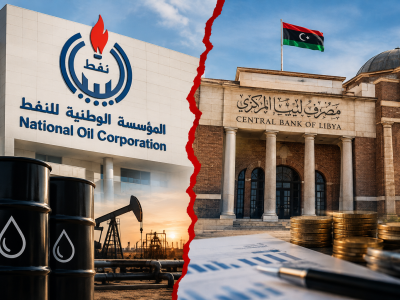
The recent launch of production from the Sabratha Compression Project, operated through the Mellitah Oil & Gas joint venture between the National Oil Corporation (NOC) and Eni, represents one of Libya’s most significant gas investments in years. The project supports production from the Bahr Essalam offshore field and helps offset natural reservoir decline by increasing recovery rates. It also adds substantial new gas volumes for domestic consumption and future exports.
At the same time, Libya continues to advance major offshore developments such as Structures A & E, while attracting renewed commitments from international companies including Eni, BP, TotalEnergies, Shell, QatarEnergy, Repsol, and others following the country’s first exploration bid round since 2008.
These projects demonstrate growing confidence in Libya’s long-term energy potential despite the country’s political challenges.
Higher Gas Output Supports Higher Oil Production
The expansion of gas production offers benefits that extend well beyond exports.
Modern compression facilities, upgraded offshore infrastructure, and renewed upstream investment improve operational efficiency across Libya’s hydrocarbon sector. Companies that invest in offshore gas often develop nearby oil assets, upgrade processing facilities, and expand logistics networks that support both industries.
This integrated approach arrives as Libya continues to increase crude oil production.
The NOC recently announced production approaching 1.5 million barrels per day, the country’s highest level in more than a decade. The corporation continues to target 2.1 million barrels per day within three to five years, provided investment continues and operational disruptions remain limited.
Unlike many OPEC+ producers, Libya remains exempt from production quotas because of its unique political circumstances. That exemption allows the country to pursue output growth whenever security conditions and infrastructure permit.
For European buyers seeking diversified energy supplies, Libya offers an increasingly attractive combination of light sweet crude, growing natural gas production, and existing export infrastructure through the Greenstream pipeline to Italy.
Challenges Remain, But Investor Confidence Is Returning
Political uncertainty remains the largest obstacle to Libya’s energy ambitions.
Disputes between rival political institutions, occasional production shutdowns, and uncertainty over long-term governance continue to present risks for international investors. Any future disruption could slow both oil and gas expansion.
However, recent developments suggest that energy companies increasingly view those risks as manageable rather than prohibitive.
The return of major international operators, multi-billion-dollar offshore projects, and new exploration agreements indicate that companies expect Libya to remain an important supplier to European energy markets for decades.
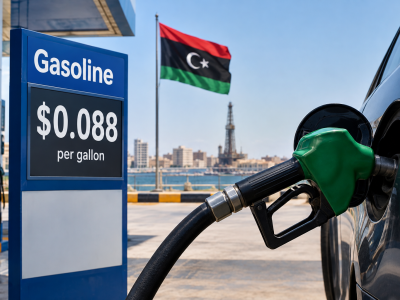
Gas also provides Libya with an opportunity to diversify revenue sources. While crude oil will remain the backbone of the economy, expanding gas production can strengthen domestic electricity generation, reduce fuel shortages, increase export earnings, and support future industrial development.
For Libya Economic Review readers, the key takeaway is that the country’s energy story no longer revolves solely around oil production figures. Gas has become a strategic growth engine that complements crude output, attracts foreign capital, and strengthens Libya’s long-term position in the Mediterranean energy market. If investment continues and political stability improves, the country could emerge over the next decade as one of North Africa’s most important integrated oil and gas producers rather than simply Africa’s largest holder of crude reserves.