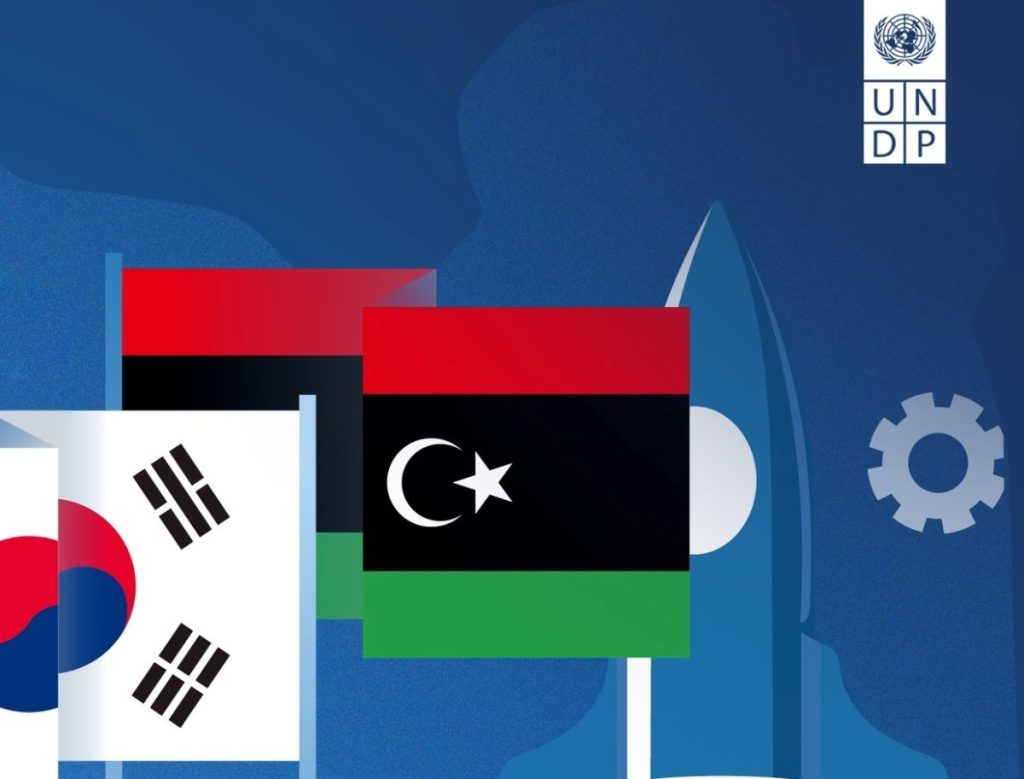
Tripoli is hosting the Korea Libya Economic Cooperation Forum on September 27 and 28 as Libya and South Korea look to expand trade, investment and business ties and bring Korean companies back into the Libyan market.
The forum brings together Libyan institutions, local companies and representatives from major Korean businesses. Organizers include the Korean Embassy in Libya, the Libyan Ministry of Foreign Affairs and International Cooperation, the General Union of Chambers of Commerce, Industry and Agriculture, and the Libyan Korean Chamber of Commerce and Industry. LG, Samsung and the Korea International Cooperation Agency are among the Korean participants.
The event will focus on practical cooperation rather than diplomatic discussions alone. Its programme includes plenary sessions, business networking and bilateral meetings between Libyan and Korean companies and institutions. Discussions will cover potential tenders, joint ventures, technical cooperation and investment projects.
Korea Already Has a Long Economic History in Libya
The relationship has deeper roots than the current push to attract Korean investment suggests.
Libya and South Korea established diplomatic relations in 1980, and Korean companies played a major role in Libya’s construction and infrastructure development during the following decades. The Korean Embassy in Libya says Korean companies secured contracts worth $36.7 billion across areas including construction, engineering and the Great Man Made River project.
That earlier presence gives both sides an established base for renewed cooperation. In June, South Korean Vice Foreign Minister Park Yoonjoo called for greater Korean business activity in Libya, particularly in crude oil and oil refining. He also pointed to the relationship built through the Great Man Made River project.
Libya, for its part, has been pushing Korean companies to return. During an April meeting with South Korean officials, Libya’s Ministry of Economy and Trade highlighted Korean technical expertise and invited companies that had previously operated in the country to resume their activities.
The sectors under discussion also fit Libya’s current investment needs. Oil and refining remain central, but infrastructure, engineering, industrial development and technology offer opportunities beyond the hydrocarbons sector.
Trade Shows Room for a Broader Partnership
The existing trade relationship remains significant but concentrated.
South Korean exports to Libya reached about $455 million in 2025, according to UN Comtrade data. Vehicles accounted for around $319 million, while machinery and electrical equipment added another $63 million. Libya’s exports to South Korea reached about $138 million, led by mineral fuels, aluminium and lead.
The numbers show a relationship that still relies heavily on goods rather than large scale investment and industrial partnerships. The forum therefore offers an opportunity to move the relationship beyond imports and exports toward projects that create longer term commercial links.
For Libya, Korean companies could bring experience in large infrastructure projects, industrial systems, engineering and technology. For Korean companies, Libya offers a market with substantial infrastructure needs and a large energy sector, alongside demand for construction, transport, industrial equipment and other services.
The main question is whether the renewed interest can produce projects that move beyond meetings and memorandums.
The forum’s organizers have placed bilateral business meetings at the center of the program. That gives companies a chance to identify specific projects, investment requirements and technical needs rather than discussing cooperation only at a government level.
For Libya, the value of the Korea relationship will ultimately depend on execution. Foreign companies need clear projects, workable tender processes, reliable institutions and operating conditions that allow investment to move from agreements into construction and production.
For South Korea, the current push also comes at a time when Seoul is seeking to expand the presence of its companies in Libya’s oil, refining, construction and infrastructure sectors. The September forum gives both sides a direct platform to test where that interest can translate into commercial activity.