Libya’s eastern-based House of Representatives has appointed Fawzi Abu Khazam as the new Governor of the Central Bank of Libya (CBL), following the resignation of Naji Issa. The decision passed on November 2, with 78 of the 90 lawmakers present voting in favor.
The appointment marks another important change at the center of Libya’s financial system. However, it also raises questions about the country’s monetary stability, political divisions and control over oil revenues.
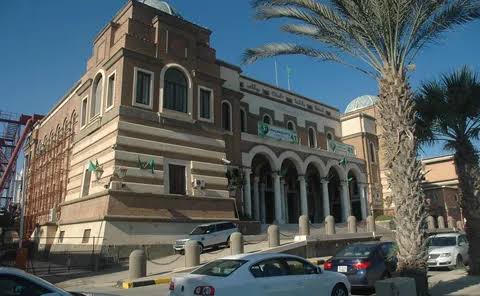
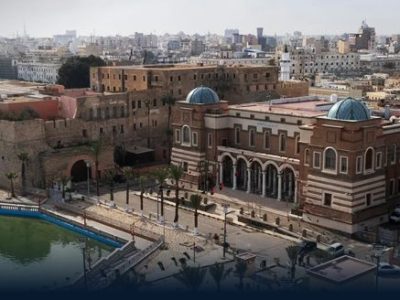
The Central Bank plays a central role in Libya’s economy. It manages foreign currency reserves, oversees the banking sector and handles the revenue generated by oil and gas exports. Its leadership therefore has a direct influence on government finances, businesses and the value of the Libyan dinar.
For Abu Khazam, the immediate challenge will be to maintain the bank’s operations while addressing growing economic pressures.
A New Governor Amid Political Uncertainty
Abu Khazam’s appointment follows months of uncertainty over the bank’s leadership. Naji Issa submitted his resignation in August, but the House of Representatives initially rejected his request. In October, lawmakers reversed that decision and accepted his departure.
Abu Khazam, previously a member of the Central Bank’s board, took over the governor’s duties on an interim basis in October. The latest parliamentary vote now confirms his appointment.
However, the political picture remains complicated. Issa took office in 2024 after an agreement between the House of Representatives and the High Council of State. That agreement helped resolve a major dispute over control of the Central Bank.
The previous crisis had serious economic consequences. Eastern authorities halted oil production during the dispute, disrupting exports and cutting government revenue. The eventual agreement helped restore stability and allowed the bank to operate under a unified leadership.
This time, the question is whether the latest appointment will receive the same level of political support. The High Council of State has not publicly commented on the November 2 vote.
Without clear agreement between Libya’s rival institutions, uncertainty over the bank’s leadership could return.
The Dinar, Oil Revenues and Government Spending
The appointment comes as Libya faces persistent economic challenges. Pressure on the Libyan dinar, high public spending and growing demand for foreign currency continue to complicate monetary policy.
Oil and gas exports remain the country’s main source of income. The Central Bank manages the foreign currency generated by these exports and finances government spending. This gives the institution a central role in determining how oil wealth enters the wider economy.
However, Libya’s financial challenges extend beyond the availability of oil revenue. Government spending, foreign currency demand and the management of public funds also influence economic stability.
The gap between the official exchange rate and the parallel market remains another concern. Businesses depend on reliable access to foreign currency to pay for imports, equipment and other commercial activities. When access becomes difficult or confidence in the dinar weakens, costs can rise across the economy.
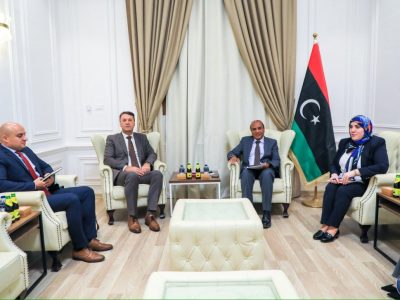
Prime Minister Abdulhamid Dbeibah met Abu Khazam on November 2 to discuss these challenges. According to the government’s media office, their discussions covered exchange-rate stability, coordination between monetary and fiscal policy, and stronger controls over public spending.
These priorities will require close cooperation between the Central Bank and government institutions. A change in leadership alone cannot resolve the structural problems behind Libya’s financial pressures.
Can the Central Bank Maintain Its Independence?
Beyond the immediate economic challenges, Abu Khazam faces a broader institutional test. Libya needs a Central Bank that can manage national finances without becoming another point of conflict between rival political authorities.
The 2024 crisis showed how disagreements over the bank can quickly affect the country’s most important economic sector. A breakdown in cooperation can threaten oil exports, government revenue and confidence in the financial system.
For international investors and foreign companies, institutional stability also matters. Businesses need predictable monetary policies, reliable banking services and a clear system for accessing foreign currency. Renewed political disputes could make commercial planning more difficult and weaken investor confidence.
Abu Khazam’s appointment offers an opportunity to maintain continuity at the institution. However, its long-term stability will depend on cooperation between Libya’s political authorities and a clear agreement over the bank’s role.
The immediate priority is to protect the Central Bank’s operations and address pressure on the dinar. Over the longer term, Libya needs stronger financial oversight, better spending discipline and a more transparent approach to managing oil revenues.
The appointment settles the question of who will lead the Central Bank for now. The bigger challenge is ensuring that the institution can carry out its responsibilities without becoming caught in Libya’s wider political disputes.