Libya and France have launched a new business forum in Marseille, bringing together officials, investors, and private sector leaders to expand trade and investment between the two countries. The event reflects growing momentum in Libya’s economic diplomacy as Tripoli looks to attract foreign partners and accelerate reconstruction projects.
The forum focuses on practical cooperation in trade, infrastructure, healthcare, and technology. Organizers also scheduled bilateral business meetings to help convert discussions into real commercial deals. Marseille hosted the opening stage of the forum, while a second leg is expected in Paris.
Why the Libya-France Forum Matters
France remains one of Europe’s largest economies and a major industrial power. For Libya, deeper ties with France could open access to capital, technical expertise, logistics networks, and global companies with experience in large-scale development.
Libya needs investment across multiple sectors. Years of political division delayed many infrastructure projects and weakened private sector growth. Roads, ports, airports, healthcare facilities, telecom systems, and renewable energy all require fresh funding and expertise.
French companies have strengths in construction, transport, engineering, aviation, defense technology, energy services, and healthcare. That makes France a natural partner for Libya’s modernization plans. The Marseille forum also sends a signal that international business interest in Libya is returning. Libya’s recent unified public spending agreement and improving macroeconomic outlook have helped strengthen investor sentiment in 2026.
Existing Libya-France Economic Relations
Libya and France already share important economic links, especially in energy. French energy giant TotalEnergies has maintained a presence in Libya for years through upstream oil and gas operations. Energy cooperation remains one of the strongest pillars of the bilateral relationship.
Trade between the two countries has also included machinery, transport equipment, industrial goods, food products, pharmaceuticals, and services. Libya imports many manufactured goods, while France sees Libya as a strategic North African market with long-term growth potential.
Recent diplomatic engagement suggests both sides want to move beyond energy and widen cooperation into non-oil sectors. In late 2025, Libyan officials discussed activating older trade agreements with the French ambassador and encouraged French companies to join Libya’s reconstruction plans. Officials said 33 French companies were already active in the Libyan market across different sectors.
Why Marseille Was Chosen
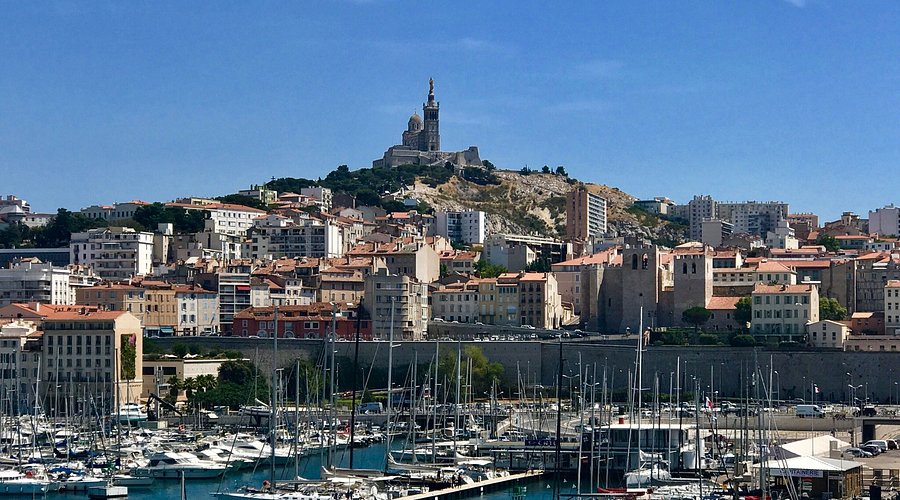
Marseille holds symbolic and commercial importance. The southern French port city has long served as a gateway between Europe, North Africa, and the Mediterranean. Its shipping, logistics, and business networks make it a practical location for a Libya-focused trade forum.
For Libyan exporters and importers, Marseille can act as a logistics hub for future trade flows. Stronger shipping routes and business partnerships could lower costs and shorten delivery times.
Some speakers at the forum also highlighted the need for direct flights and easier visa procedures. These steps would make commercial travel easier and help companies build relationships faster.
Sectors to Watch
Several sectors could benefit most from stronger Libya-France cooperation:
Infrastructure: Libya needs roads, airports, ports, housing, and utilities upgrades.
Healthcare: French medical technology and hospital expertise could support reform.
Energy: Oil, gas, solar, and grid modernization offer major opportunities.
Technology: Digital services, telecom systems, fintech, and training remain underdeveloped.
Logistics: Better shipping and freight links could boost bilateral trade.
Challenges Still Remain
Despite renewed optimism, Libya still faces risks that foreign investors will watch closely. Political disputes, regulatory uncertainty, delayed payments, and security concerns can slow new projects.
French firms may seek clearer rules, stronger legal protections, and smoother banking channels before making major commitments. Libya’s institutions will need to show consistency if they want long-term investment.
Outlook for 2026
The Libya-France Business Forum could mark an important step in rebuilding one of Libya’s key European economic relationships. If meetings in Marseille and Paris lead to signed projects, financing agreements, or expanded trade channels, the forum may become more than a symbolic event.
For Libya, success would mean jobs, technology transfer, and faster reconstruction. For France, it offers access to a strategic Mediterranean market with significant untapped demand. In 2026, both sides appear ready to test that opportunity.