Libya is seeking a larger role in regional energy markets as officials review progress on a proposed gas pipeline linking Nigeria, Niger, and Libya. The project, discussed this week by a joint committee, could create a new trans-Saharan export corridor that connects Nigerian gas reserves to North Africa and potentially European buyers.
If the plan advances, Libya could strengthen its position as both an energy producer and a future transit hub. The proposal remains at an early stage, but renewed talks have already drawn attention because of Europe’s long-term search for diversified gas supplies and Africa’s growing role in global energy markets.
What Is the Nigeria–Niger–Libya Gas Pipeline?
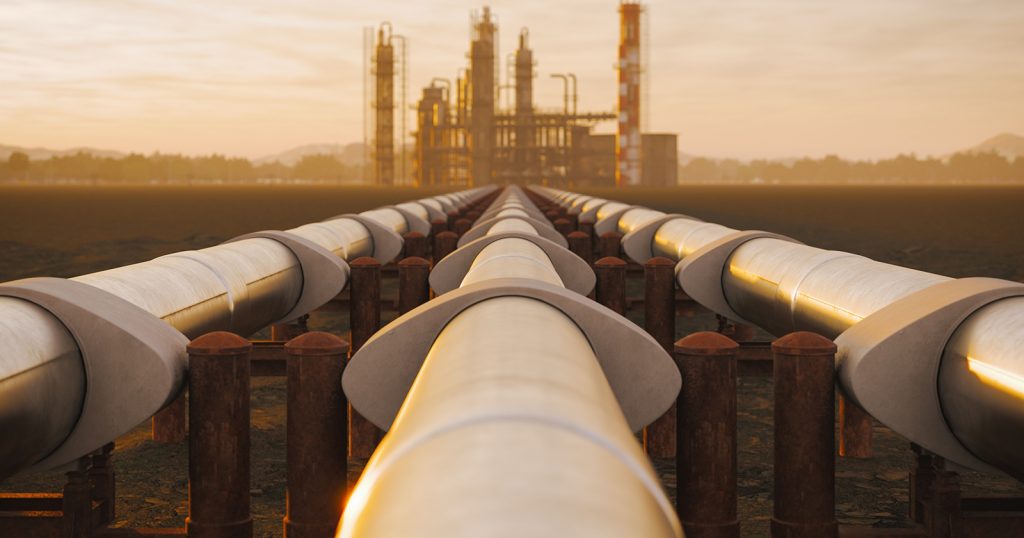
The proposed pipeline would move natural gas from Nigeria through Niger into Libya. From there, gas could connect to Libya’s domestic network, future processing capacity, or export routes across the Mediterranean.
Nigeria holds some of the world’s largest natural gas reserves, yet infrastructure limits have slowed export growth. New pipeline routes could help unlock additional supply and reduce reliance on a small number of corridors.
For Libya, the project offers a chance to become more than an oil producer. It could position the country as a strategic bridge between sub-Saharan energy resources and European demand centers.
Why Libya Matters in the Project
Libya offers several advantages that make the route strategically attractive.
First, Libya has a Mediterranean coastline close to southern Europe. That location can reduce shipping times and improve access to key markets.
Second, Libya already has decades of hydrocarbon experience, including pipelines, terminals, and state energy institutions. While many assets need upgrades, the country still holds valuable infrastructure foundations.
Third, Libya wants to expand its natural gas profile. The country has recently focused on boosting domestic gas production, restoring delayed projects, and increasing exports over time.
If officials combine those goals with a transit strategy, Libya could emerge as a more influential gas player in the region.
Why Europe Will Watch Closely
European countries continue to diversify energy imports after recent supply shocks. That has increased interest in new sources from North Africa, the Eastern Mediterranean, and sub-Saharan Africa.
A Nigeria–Niger–Libya corridor would not solve Europe’s gas needs on its own, but it could support long-term diversification. It would also deepen energy ties between Africa and Europe at a time when both sides seek stronger commercial links.
For investors, the pipeline represents more than energy supply. It reflects future demand for infrastructure, storage, engineering services, and cross-border trade networks.
Economic Benefits for Libya
If the project moves beyond planning, Libya could gain in several ways.
Transit fees could create new revenue streams outside crude oil exports. Construction activity could support jobs, services, and logistics demand. Expanded gas networks might also improve domestic power supply if some volumes stay in Libya.
The bigger opportunity is strategic relevance. Countries that host major energy corridors often gain diplomatic leverage, investor attention, and stronger links with international markets.
That matters for Libya as it seeks economic recovery and broader diversification.
Major Challenges Remain
Despite the potential upside, the project faces serious obstacles. Any trans-Saharan pipeline would cross remote areas that face security risks, smuggling activity, and weak infrastructure, which would require strong long-term protection and coordination. Financing also remains a major challenge, as projects of this scale often cost billions of dollars and depend on support from lenders, strategic partners, and long-term gas buyers. Political coordination presents another hurdle, since Nigeria, Niger, and Libya would need to agree on transit terms, regulation, revenue sharing, and operational management. Reaching that level of alignment could take years.
Commercial Competition
Other export routes already compete for Nigerian gas, including LNG shipments and alternative pipeline proposals. Investors will compare cost, timing, and reliability before committing capital.
What This Means for Libya’s Energy Strategy
Even if construction does not begin soon, the renewed committee talks still matter. They show Libya wants a larger role in African energy integration and future gas trade.
That aligns with a wider trend. Libya has recently tried to attract foreign energy firms, revive upstream investment, and restore confidence in its hydrocarbons sector. Adding a transit vision could strengthen that strategy.
It also sends a message that Libya does not want to rely only on crude oil. Gas demand, regional connectivity, and infrastructure exports may shape the next phase of energy growth.
What to Watch Next
Investors and analysts should track several key signals in 2026. A formal memorandum between the participating states would mark an important political step forward. Progress on technical or feasibility studies would show whether the route can work on a commercial and engineering level. Financing talks with international partners would indicate growing confidence in the project’s viability. Security coordination agreements would also matter, given the scale and location of the proposed corridor. In Libya, any new gas infrastructure announcements could signal broader preparation for a future transit role. Together, these developments would show whether the project is moving from concept to reality.