Libya’s unified spending agreement has received strong backing from several major Arab and Western countries, in a sign of growing international confidence in Libya’s latest effort to stabilize its economy and reunify divided state institutions.
The joint statement, issued by a group of regional and international governments, welcomed the agreement as an important step toward better financial governance, stronger transparency, and closer cooperation between Libya’s rival institutions. The development comes at a critical time for Libya, as the country seeks to rebuild confidence in its public finances after years of division and parallel spending systems.
The countries supporting the agreement include the United States, United Kingdom, France, Germany, Italy, Egypt, Saudi Arabia, Qatar, Turkey, and the United Arab Emirates. Their support highlights the broad interest in Libya’s economic stability and the importance of preventing renewed institutional deadlock.
Why Libya’s Unified Spending Agreement Matters
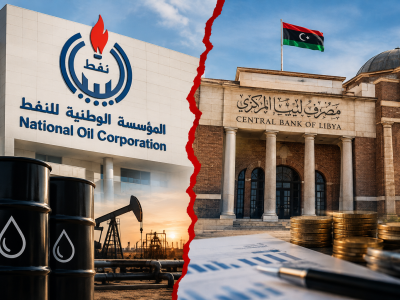
For more than a decade, Libya has struggled with political fragmentation that split key state bodies between eastern and western administrations. This division often led to competing budgets, overlapping spending decisions, and weak financial oversight. The new unified spending agreement aims to create one national framework for public expenditure. That could improve how state funds are allocated, reduce waste, and allow Libya to plan economic priorities on a nationwide basis.
A single spending framework may also strengthen confidence in Libya’s banking sector and support the value of the Libyan dinar. Recent signs of currency improvement have increased public attention on whether coordinated economic policy can deliver faster results.
For businesses and investors, a more predictable budget process can create better conditions for future growth. Libya remains one of Africa’s most resource-rich economies, with major oil reserves and large reconstruction needs. Stable public finances could help unlock investment in infrastructure, energy, transport, and services.
International Pressure for Reform
The latest support from Arab and Western governments also sends a political message. International partners want Libya’s institutions to keep working together on practical economic reforms, even while broader political disagreements remain unresolved.
Many foreign governments see economic unity as one of the few realistic areas where progress can happen in the short term. Budget coordination, transparent spending, and stronger oversight can reduce tensions and improve daily services for citizens.
The statement may also increase pressure on Libyan officials to fully implement the agreement rather than allow new disputes to delay it. Past reform efforts often faced setbacks during periods of political rivalry.
Challenges Ahead
Despite the positive reaction, Libya still faces major obstacles. Reaching an agreement is only the first step. Real success depends on implementation, monitoring, and continued cooperation between institutions.
Authorities will need to agree on spending priorities, manage oil revenues effectively, and ensure funds reach public services across all regions. Oversight bodies will also need to play a stronger role to build public trust.
Libya’s economy remains heavily dependent on oil exports, which means global energy prices and domestic production disruptions can quickly affect state revenues.
Outlook for Libya’s Economy
If the unified spending agreement holds, it could become one of Libya’s most important economic developments in years. Stronger coordination may help stabilize public finances, support the currency, and prepare the ground for wider reforms.
With support now coming from major Arab and Western nations, Libya has an opportunity to turn a political agreement into measurable economic progress. The next phase will determine whether this deal becomes a turning point or another missed opportunity.