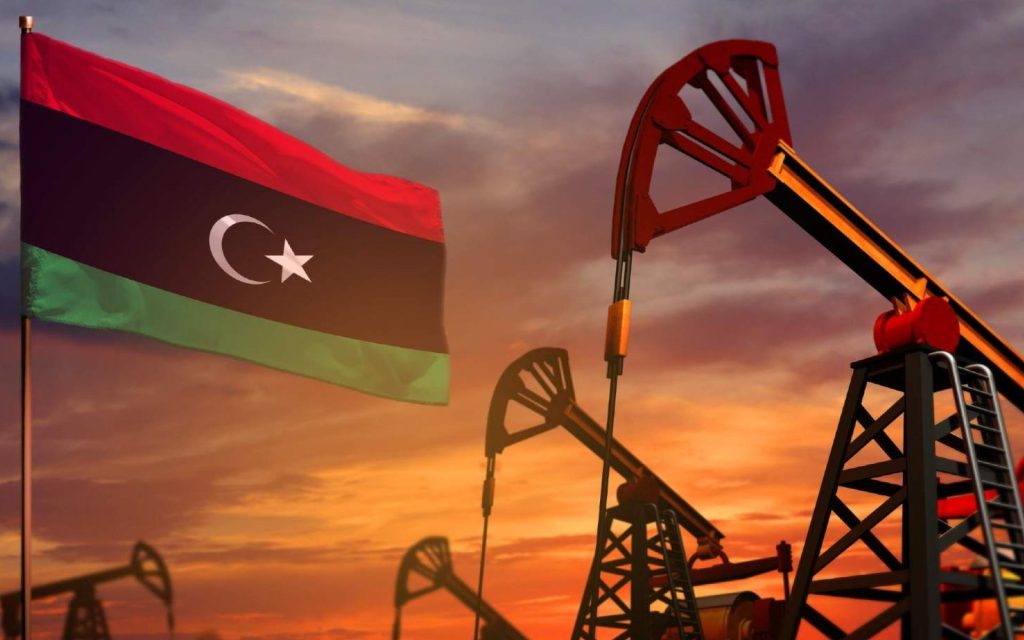
Libya awarded more oil and gas exploration acreage than any other country in June 2026, reinforcing its return as one of the world’s most active upstream investment destinations.
According to data cited by industry analysts, Libya accounted for the largest share of exploration licenses awarded globally during the month. The achievement reflects growing international confidence in the country’s hydrocarbon potential and follows the successful conclusion of its first exploration licensing round since 2007.
The result also signals a broader shift in Libya’s energy strategy. Rather than relying solely on increasing production from mature fields, authorities now aim to expand the country’s reserve base and attract long-term upstream investment.
Licensing Round Marks a New Chapter
Libya’s exploration licensing campaign attracted strong interest from international energy companies. The National Oil Corporation (NOC) offered acreage across several onshore and offshore basins that remain underexplored despite decades of oil production.
The licensing round produced agreements with a number of international operators, including Eni, Repsol, QatarEnergy, Turkish Petroleum, OMV, MOL and Total Energies. Their participation highlighted renewed confidence in Libya’s geological potential despite the country’s political challenges. For investors, Libya remains one of the few major oil producers with significant unexplored acreage. Much of the country’s production still comes from discoveries made decades ago, leaving substantial room for new exploration.
The government’s strategy extends beyond maintaining current output. Officials want new discoveries to support production growth over the coming decade while replacing reserves produced from existing fields.
Why Libya Stands Out
Several factors continue to strengthen Libya’s competitive position. The country holds Africa’s largest proven oil reserves and sits close to European refining markets. Its crude quality remains highly attractive to refiners because of its low sulfur content, while shipping times to southern Europe remain significantly shorter than many competing suppliers.
Unlike many major producers, Libya also entered this licensing cycle after nearly two decades without offering new exploration opportunities. That created strong interest among companies seeking access to frontier acreage with proven petroleum systems.
Higher oil prices during recent years also improved the commercial appeal of frontier exploration projects. At the same time, Europe continues searching for diversified energy supplies following major shifts in global energy trade.
These trends have increased the strategic importance of Libya’s upstream sector for international energy companies looking to expand their portfolios in the Mediterranean.
Exploration Becomes the Next Growth Story
The surge in exploration activity supports Libya’s broader ambition to increase oil production while securing future output.
The NOC has already pushed production to multi-year highs by restoring shut-in fields, repairing infrastructure and improving operational stability. Exploration now represents the next stage of that strategy. New discoveries would help sustain higher production levels over the long term while creating additional opportunities for foreign investment, service companies and infrastructure development.
Challenges remain. Political divisions, security risks and regulatory uncertainty continue to influence investment decisions. Companies will also monitor whether awarded licenses move quickly into seismic surveys and drilling campaigns.
Even so, June’s licensing data sends a strong signal to global energy markets. Libya has moved beyond restoring existing production. It now competes again for exploration capital at a time when many mature oil provinces offer fewer large-scale discovery opportunities.
If exploration programs deliver commercial discoveries over the coming years, the 2026 licensing round could mark the beginning of a new investment cycle that reshapes Libya’s upstream sector and strengthens its role in Mediterranean energy markets.