A new African crude trade route emerges
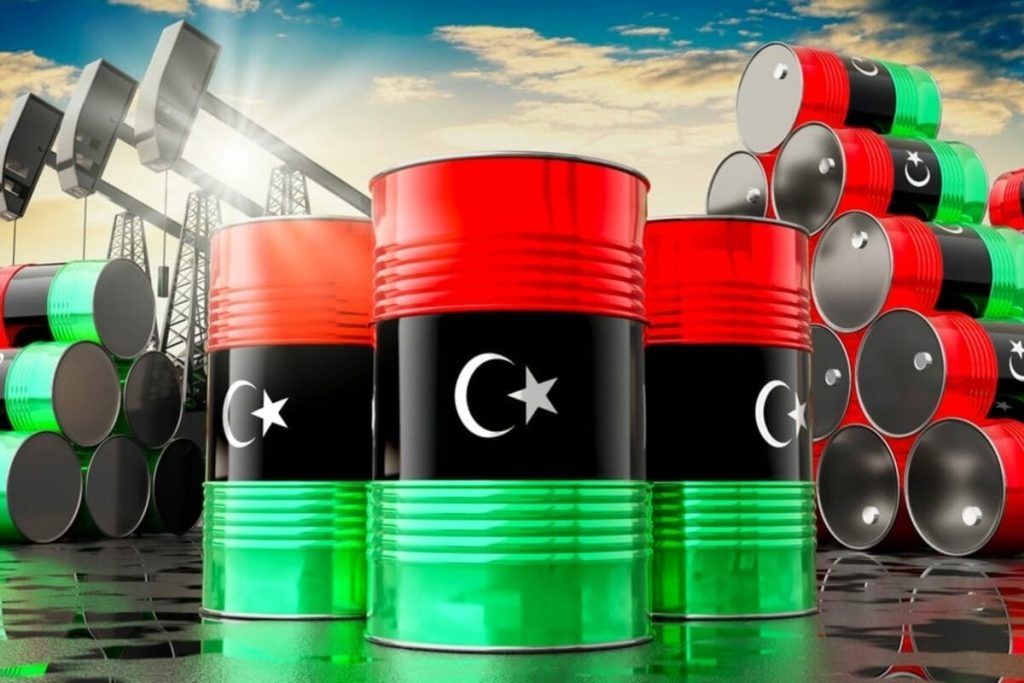
Libya has exported crude oil to Nigeria for the first time on record, marking a notable shift in intra-African energy trade and highlighting how global supply disruptions are reshaping traditional oil flows.
According to market data, Nigeria imported around 64,500 barrels per day of Libyan crude in May 2026, equal to roughly two million barrels for the month. This marks the first recorded Nigerian purchase of Libyan oil in available data going back to 2013.
The development reflects a broader trend in which African producers and refiners increasingly adjust sourcing strategies as global supply chains face geopolitical pressure and shifting trade routes.
Global disruptions reshape African oil flows
The emergence of Libyan crude in the Nigerian market comes at a time when international oil trade continues to adjust to supply instability linked to geopolitical tensions, particularly disruptions affecting traditional shipping corridors. These conditions have increased the attractiveness of alternative supply routes within Africa. Libya, with its light sweet crude and Mediterranean export access, has strengthened its position as a flexible supplier to regional and European markets.
Nigeria’s import of Libyan crude also reflects changing refinery dynamics across the continent, as large-scale facilities seek flexible feedstock options to optimize output and reduce dependence on long-haul imports from outside Africa.
Libya expands export reach despite output volatility
Libya’s expanding customer base contrasts with fluctuations in its overall production. Despite the breakthrough into Nigeria, Libya’s crude exports fell by around 11% in May to approximately 1.07 million barrels per day, the lowest level in several months. Operational disruptions, including infrastructure incidents and field maintenance issues, have continued to affect output stability. However, key export partners such as Italy, Greece, Spain, and Turkey remain dominant buyers of Libyan crude.
Even with short-term volatility, Libya continues to reinforce its role as a key swing supplier in the Mediterranean energy market, while new trade links such as Nigeria suggest gradual diversification of its export destinations.
Outlook: A more regionalized oil market
The Libya–Nigeria trade signals a broader shift toward regional energy integration in Africa. As global markets remain volatile, producers and refiners increasingly rely on shorter, more flexible supply chains. If sustained, these flows could reshape African crude trading patterns and reduce dependence on traditional Atlantic and Middle Eastern supply routes, especially for refiners seeking cost efficiency and supply security.