Russia’s refinery disruptions have triggered fresh concerns over fuel supplies across Europe and Central Asia. Recent attacks on Russian energy infrastructure and temporary restrictions on fuel exports have highlighted how quickly refining disruptions can ripple through regional markets. While much of the attention has focused on diesel shortages and fuel prices, another shift deserves equal attention. European refiners now face growing pressure to secure reliable crude supplies that allow them to maintain fuel production and meet demand.
This changing market creates a new opportunity for Libya. Libya will not replace Russian diesel exports. Instead, the country could strengthen its role as a strategic supplier of crude oil to European refiners that now place an even greater value on supply security, flexible logistics and stable feedstock.
European refiners are looking beyond Russian supply
Refineries cannot produce diesel, gasoline or jet fuel without a steady flow of crude oil. When refining capacity comes under pressure in one of the world’s largest energy exporters, buyers quickly look elsewhere to secure both refined products and the crude needed to keep other refineries operating at full capacity.
Russia has long played a central role in regional fuel markets. Any disruption to its refining system tightens fuel availability and changes trading patterns across Europe and neighbouring regions. As refiners adjust to these disruptions, reliable crude suppliers become increasingly valuable.
European refiners have already spent the past several years diversifying their supply chains following sanctions on Russian crude and petroleum products. The latest refinery disruptions reinforce that strategy. Buyers now seek suppliers that can deliver consistent volumes without lengthy shipping routes or significant geopolitical uncertainty.
Libya fits naturally into that picture. Its crude reaches Mediterranean refineries within days rather than weeks. That proximity reduces freight costs, shortens delivery times and allows refiners to respond more quickly when market conditions change. During periods of supply uncertainty, those logistical advantages become even more important.
Libya’s production recovery comes at the right time
Libya enters this period of market uncertainty from a position of growing strength.
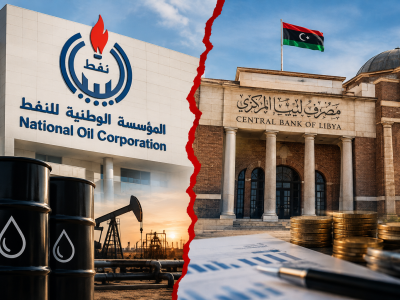
The country has increased crude production to around 1.5 million barrels per day, its highest level in more than a decade. The National Oil Corporation (NOC) has also accelerated efforts to attract international investment, signing new exploration and production agreements with major energy companies after launching Libya’s first licensing round in almost 20 years.
These developments signal renewed confidence in Libya’s upstream sector. Unlike many other major oil producers, Libya remains exempt from OPEC+ production quotas. That exemption gives the country greater flexibility to increase output if infrastructure upgrades and investment continue to support production growth.
Libya’s crude also offers technical advantages that refiners value. Much of the country’s production consists of light, sweet crude, which produces high yields of diesel, gasoline and other premium fuels while requiring less complex refining than heavier grades. As refiners seek to maximise fuel output and manage costs, those qualities make Libyan crude particularly attractive.
Growing investment in upstream projects could further strengthen Libya’s position over the coming years. Higher production would not only increase export volumes but also improve the country’s ability to respond when international markets require additional supply.
A strategic opportunity for Libya’s energy sector
The current market disruption does not guarantee higher exports for Libya. Production stability, infrastructure reliability and continued investment remain essential if the country wants to capitalize on changing trade flows.
However, the broader trend appears increasingly favorable. European energy security now depends on a wider network of suppliers rather than a handful of dominant exporters. Governments, traders and refiners have all placed greater emphasis on diversification since 2022, and recent disruptions to Russian refining capacity reinforce that approach.
Libya occupies a unique position within that evolving landscape. Its location on the Mediterranean gives it direct access to Europe’s largest refining centers. Its growing production offers refiners an additional source of high-quality crude at a time when dependable supply carries greater strategic value. At the same time, continued exploration activity signals that international energy companies still see long-term potential in the country’s oil sector.
Russia’s refinery disruptions may have started hundreds of kilometers away, but their impact extends across global energy markets. While much of the focus remains on diesel shortages and fuel exports, the deeper story concerns the growing importance of reliable crude suppliers.
For Libya, that shift presents an opportunity. The country does not need to replace Russian fuel exports to benefit from the changing market. It only needs to continue supplying the high-quality crude that European refiners increasingly depend on. If Libya maintains production growth and sustains investor confidence, it could strengthen its role as one of Europe’s most strategically important crude suppliers in an energy market where reliability has become as valuable as volume.